Holding Pattern
An attraction of leaving the corporate world and going sailing was not having to plan too much, or too far in advance. In our “old lives” we planned a lot. We liked to travel from our Dubai base widely and often, and indeed, we needed to, to maintain good relationships with friends and family dispersed around the planet. Together with our busy careers, it took quite some planning to fit everything into our busy lives.
Even the duration of the sailing adventure on Aroha was undefined. We sailed away for “three to five years” in mind and were keeping our plans beyond that pretty open. Friends often asked us what happens “after”, as if the adventure required a clearly defined start and end, maybe even suggesting that we should return to a respectable and responsible adult-like life afterwards.
Over the years, I noticed an interesting trend though – when I was in a job that I wasn’t enjoying, I would look forward to weekends and holidays as an escape, and had weekends and public holidays booked up months in advance. I only lasted ten months in that particular job and during that time one of my good friends casually mentioned that I should have more spontaneity in my life, to which I replied, not entirely jokingly, that “I like to plan my spontaneity”!
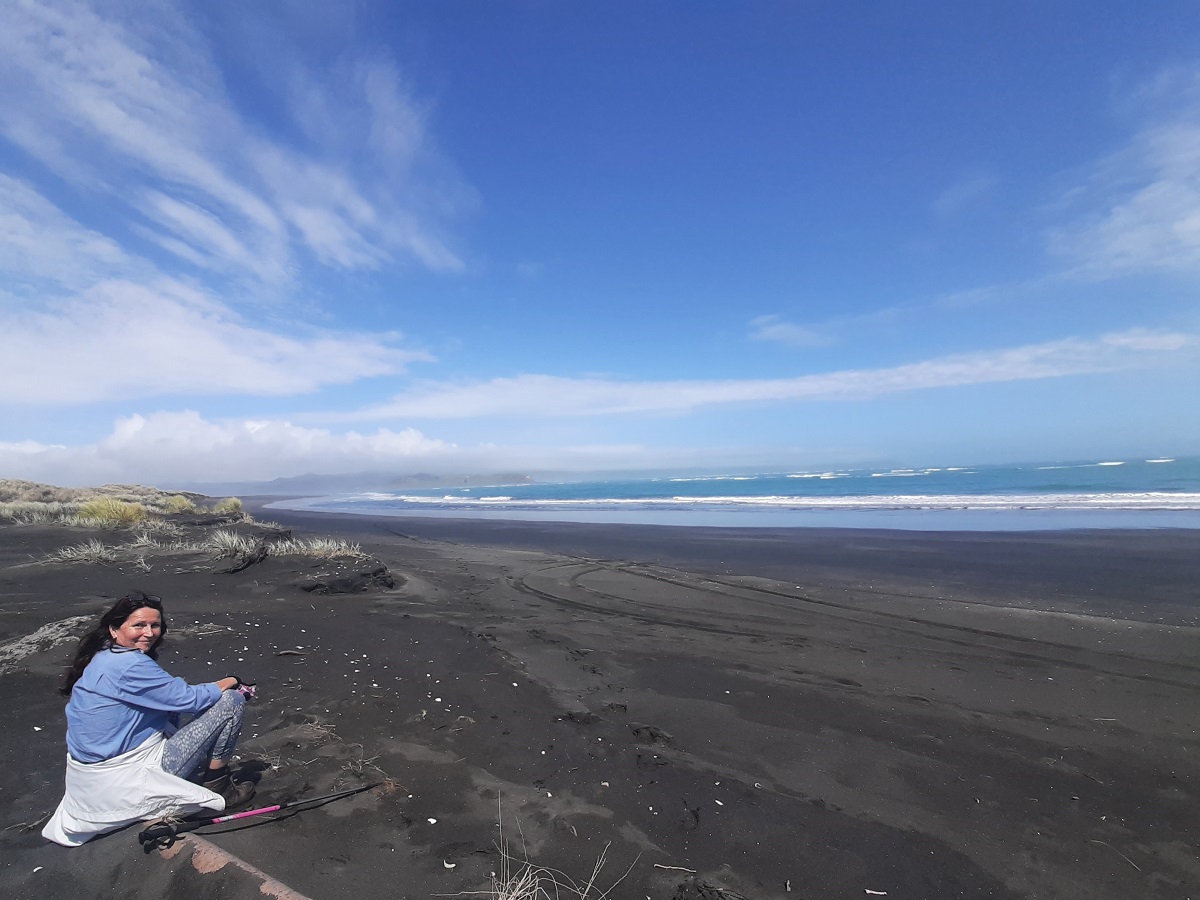
It feels like we’ve entered a kind of holding pattern here in Aotearoa New Zealand. The South Island was exotic, somehow ‘foreign’, and we didn’t have to try too hard to find beautiful scenery and fun experiences. Crossing back to the North Island in May changed that. We found that we had to work harder for the same buzz, and with the coming of winter, living in a small campervan wasn’t always totally enjoyable. And even though Covid barely impacted day to day life for us, there was always a seed of uncertainty in the back of our minds about what our future would look like.
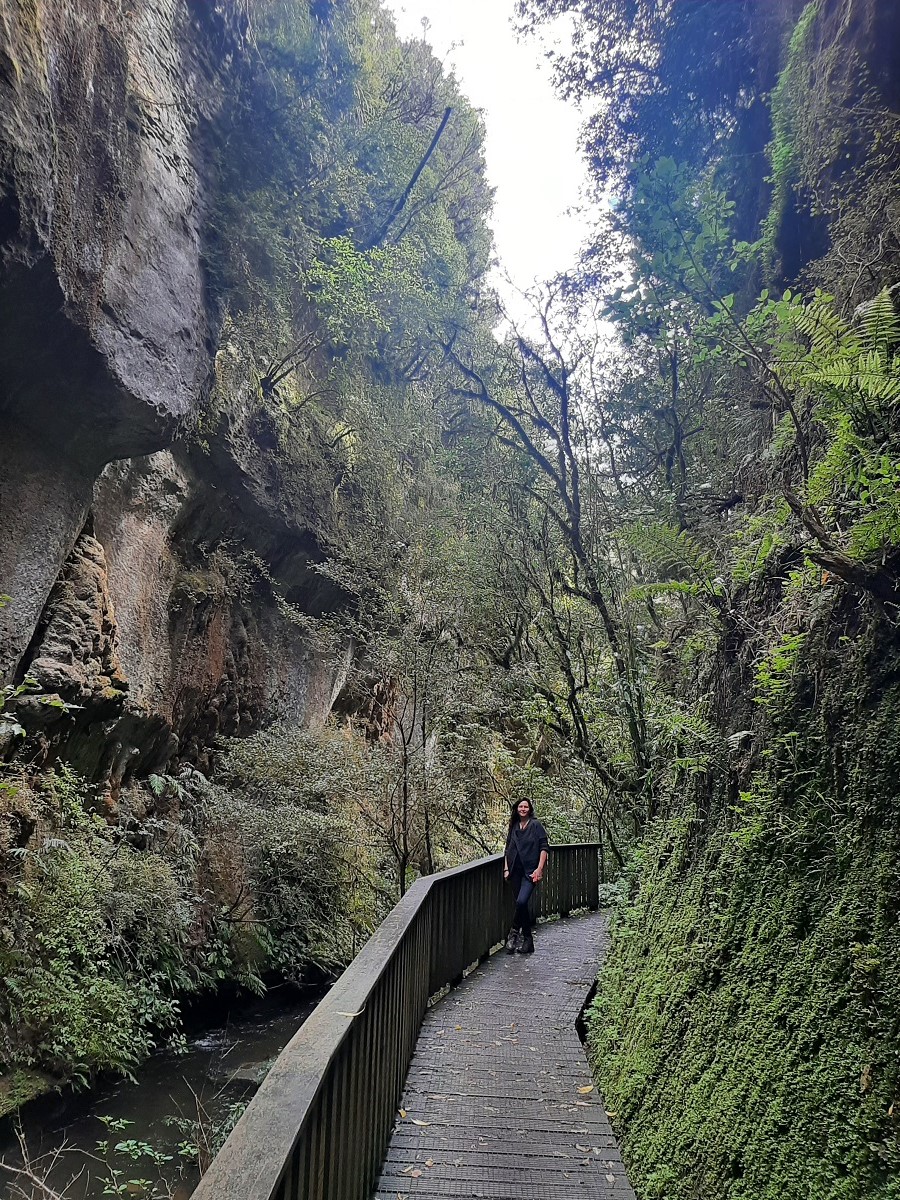
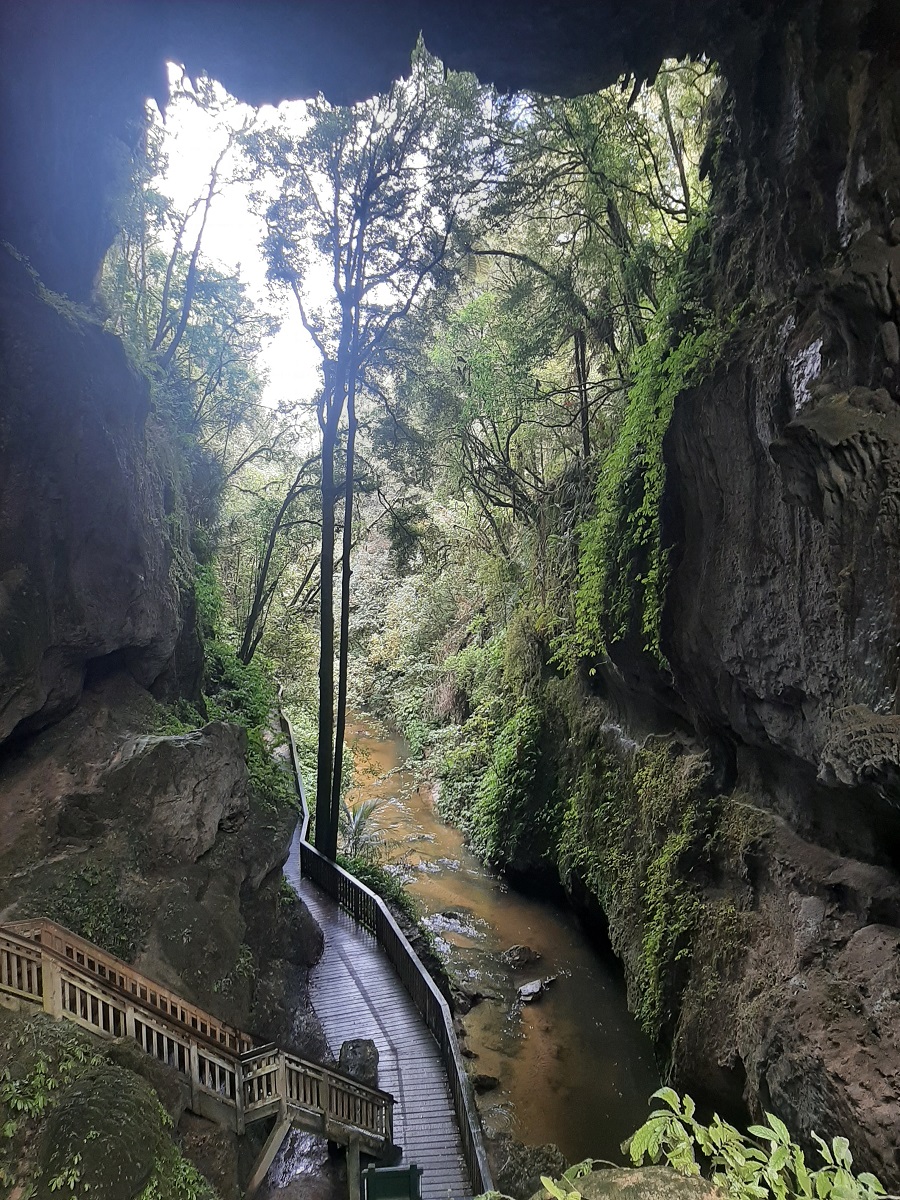
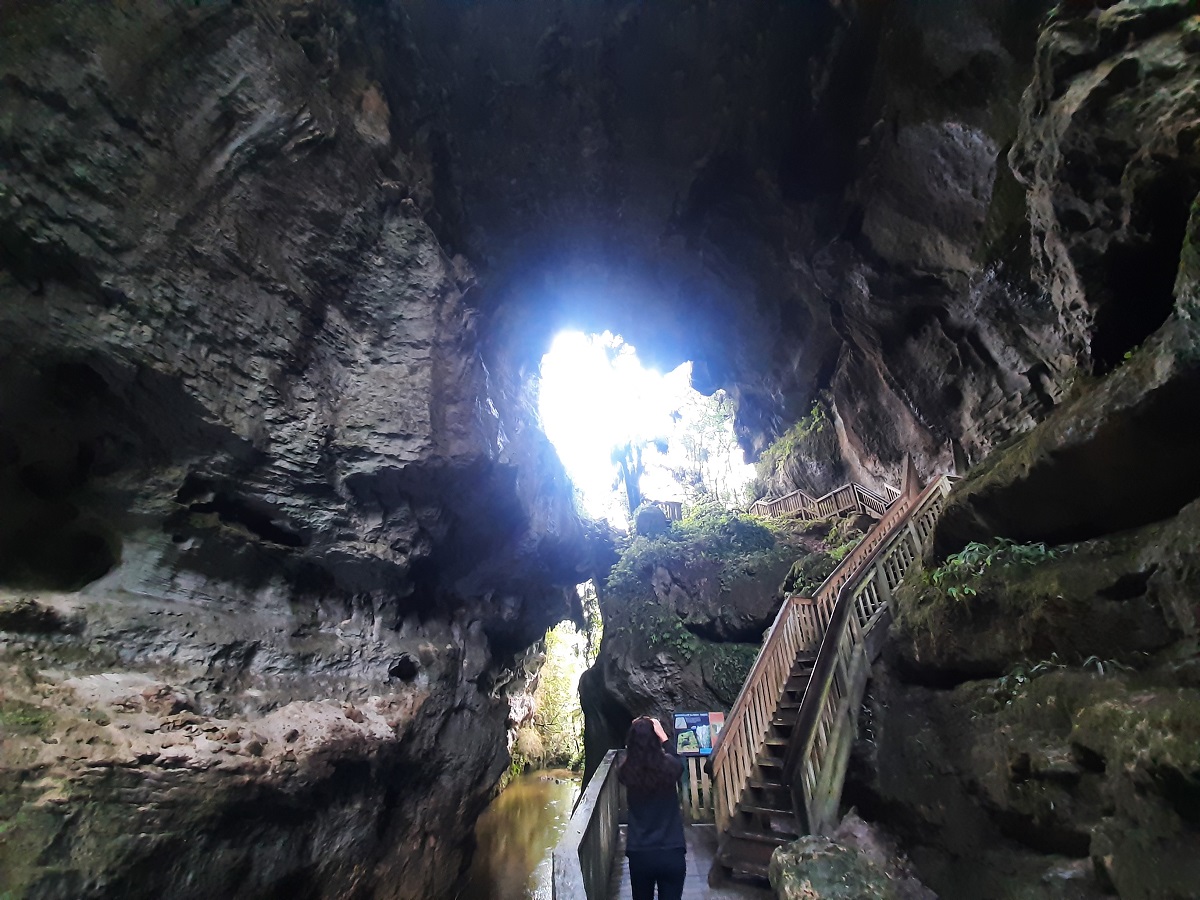
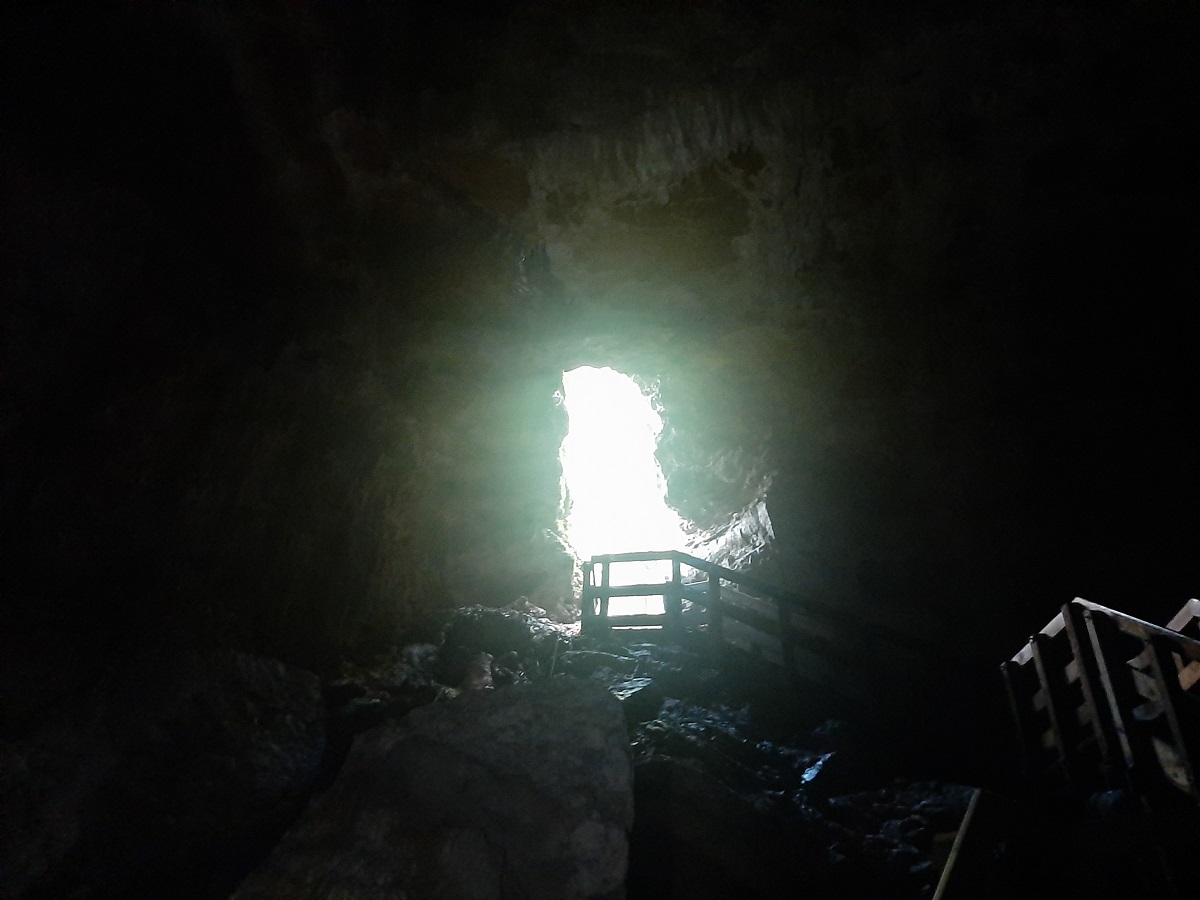
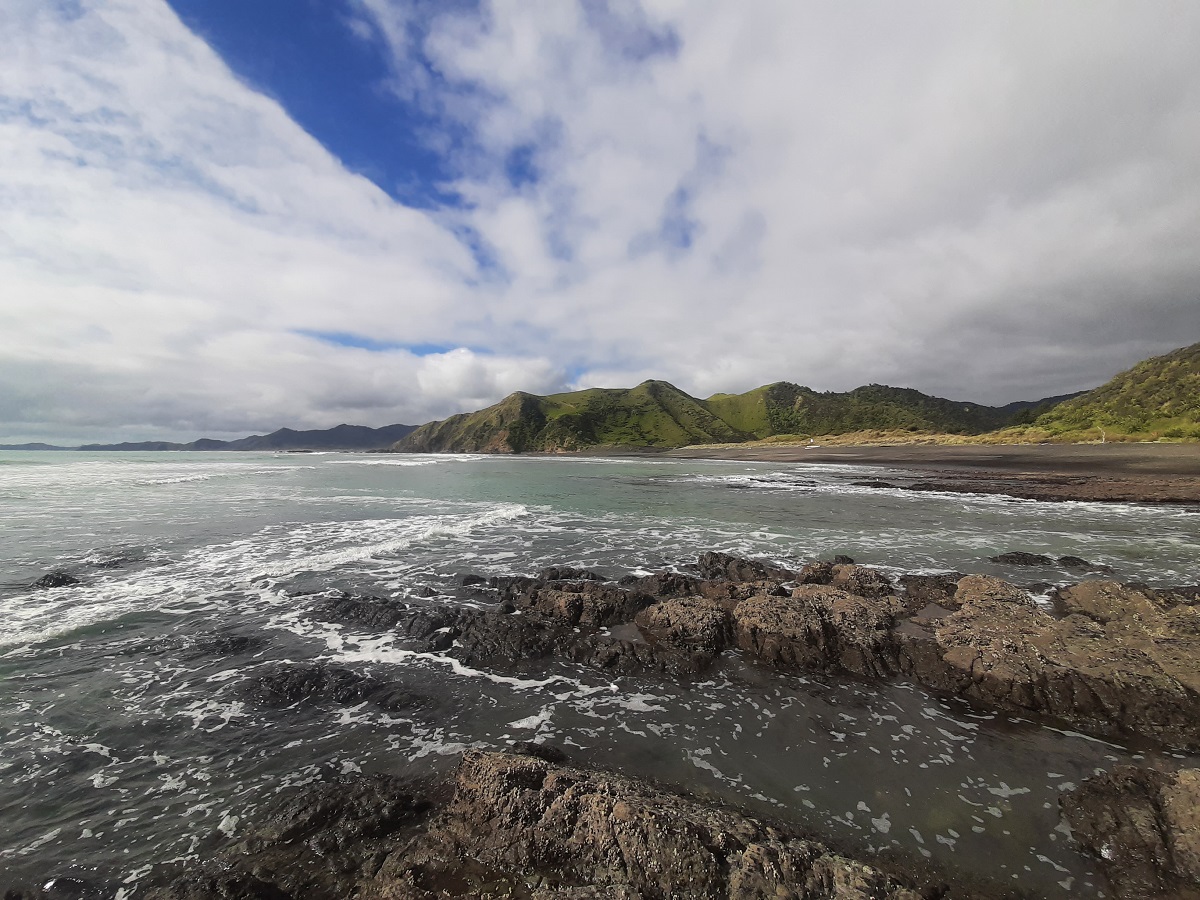
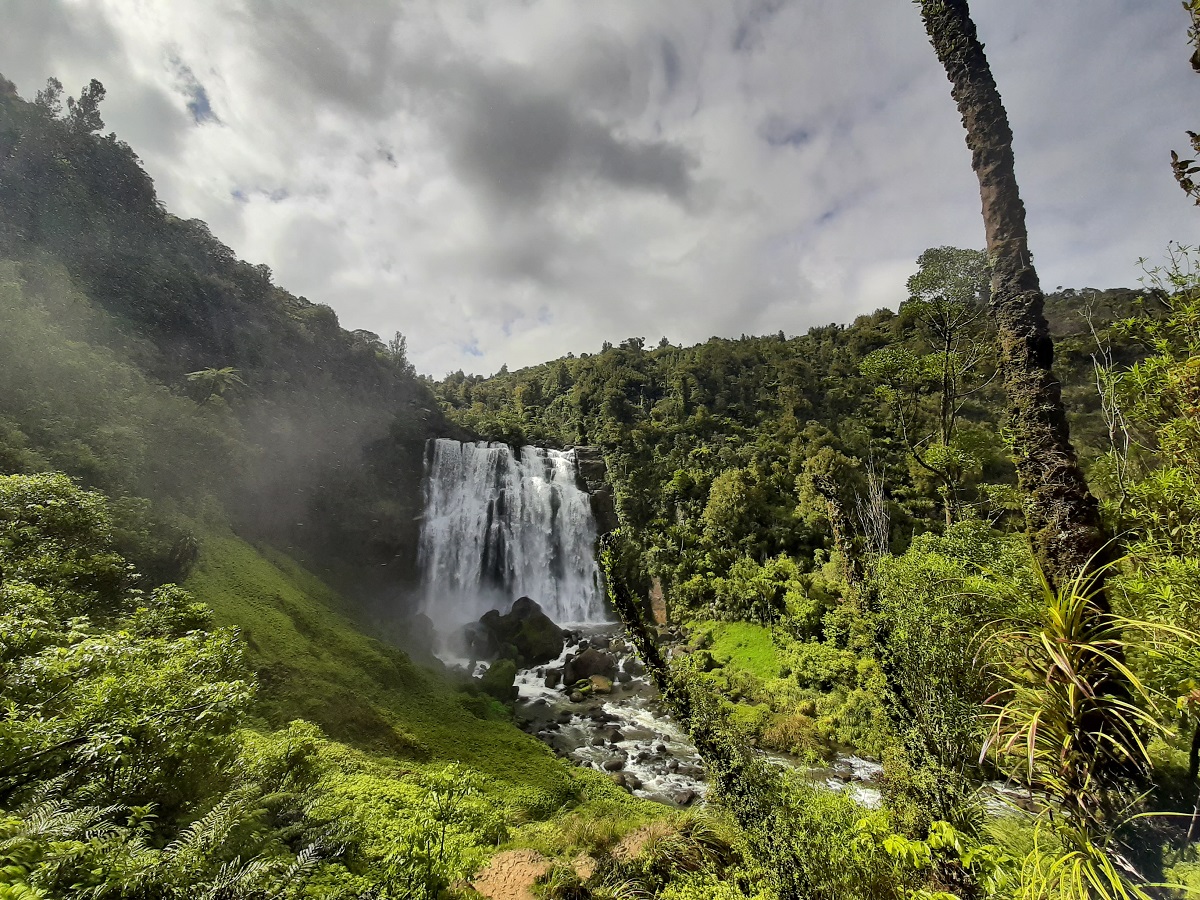
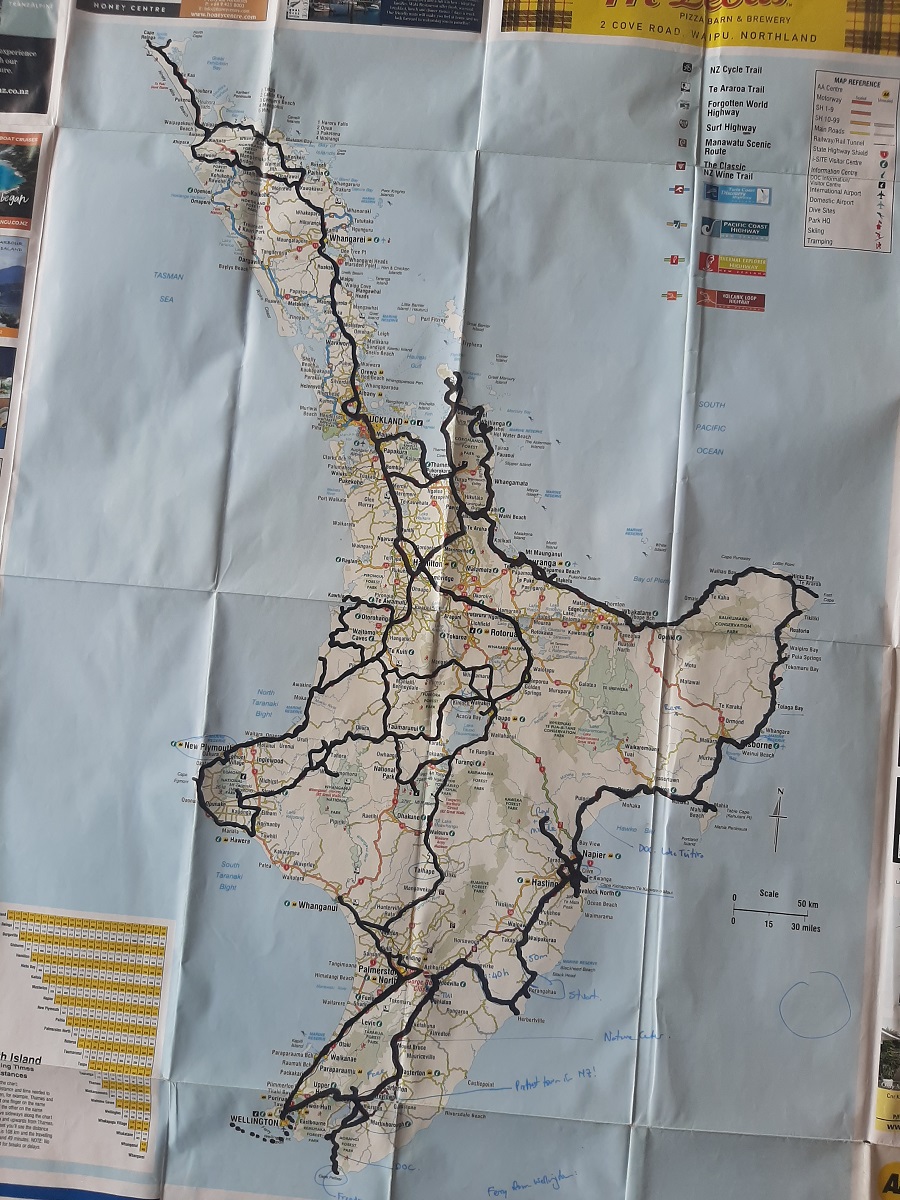
It hasn’t all been bad. We’ve become quite good at being agile and amending any plans we did have. We joke that our loops of Aotearoa New Zealand keep getting smaller – from a loop of the South Island, we’re now down to loops of regions. Our recent adventures have taken us west from the central plateau to the pretty Waitomo area – an area studded with underground caves.
Despite our ambition to minimise planning, life on the ocean wave does require some outline planning – mainly around the seasons. I guess that we have kind of gateways – best times to cross oceans, limited cruising seasons in some destinations, best seasons to scuba dive, and times when we aimed to be able to fly out to NZ or the UK for family and festive reasons. But Ocean passages virtually everywhere are dictated by seasonal weather patterns. We spend hours planning our routes, considering weather patterns as well as the bureaucratic requirements of each country. In most of Asia the monsoonal weather pattern splits the year quite neatly into two opposing monsoon seasons – with about a month to avoid in between, where the changing seasons bring unsettled and unpredictable weather.
Pre-Covid, we had an outline plan about a year and a half in advance based around these seasons. That covered our 2019 passage to India and then onwards in 2020 to Thailand with a couple of months in Sri Lanka on the way, then back across to the Indian Andaman Islands in early 2021. Besides this high-level planning around the seasons, the original plan was to… have no plans! We thought that we’d be happy moving slowly up and down the west coast of Thailand and Malaysia for a season or two – quite appealing when you consider the easy navigation, no need for long passages, and enjoyable and affordable cost of living.
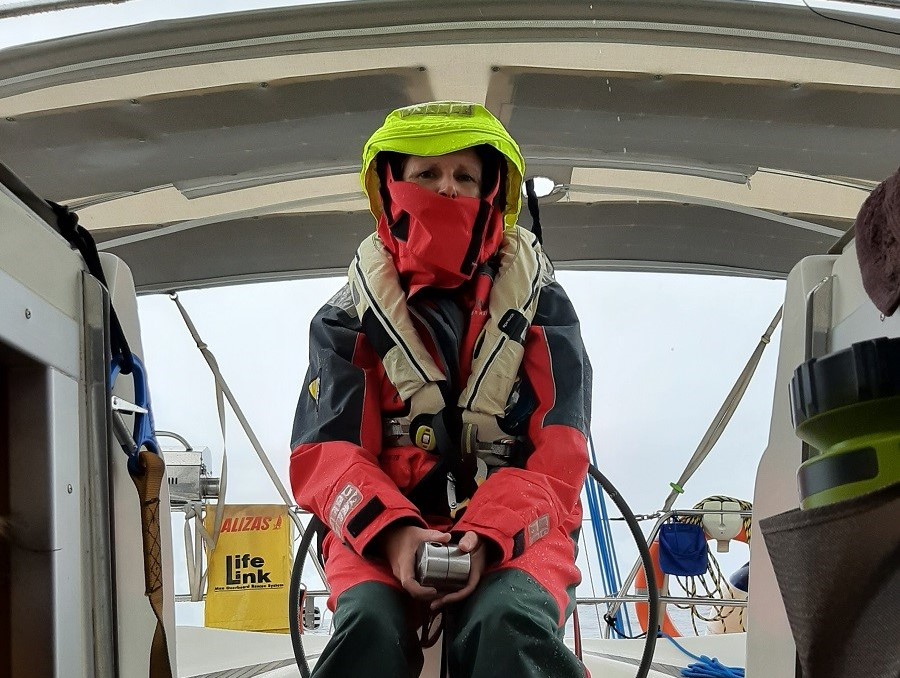
Neither Helen nor I are fans of long passages. We’d hoped that the 15 day passage from Dubai to India was going to be the longest of our trip. Whilst some people enjoy the solitude and calmness of long passages that may stretch into two, three or more weeks, neither of us like the monotony and uncertainty of it. I think the main reason is that once you’re out there you can’t control the weather and you can’t control gear breakages or things going wrong – you just have to deal with it and keep on going. We both found the Dubai to India passage quite trying – we had several days becalmed, when you end up worrying about diesel consumption, and several days of ratty weather. I recall one time, when I took over a night watch from Helen, to find the weather just as ratty as it had been for the past 24 hours. It seems to be taking forever to get past Muscat, with the wind and a choppy sea on our nose. I remember coming up into the cockpit from my snooze, and the feeling of my heart sinking, thinking, “doesn’t it get any better?!”. The look on Helen’s face in the header photo pretty much sums it all up.
Once we got chatting to other cruisers in Kochi, who’d generally arrived westabout from SE Asia, we realised that we had more options that we thought. By stopping off in Indonesia we could reduce the longest passage from about 12 to 8 days. That’s an entirely more enjoyable time to be at sea for – you can trust the weather forecast for that long, you can carry plenty of diesel for motoring through calm weather, and, if something drastic goes wrong, you’re closer to land and assistance.
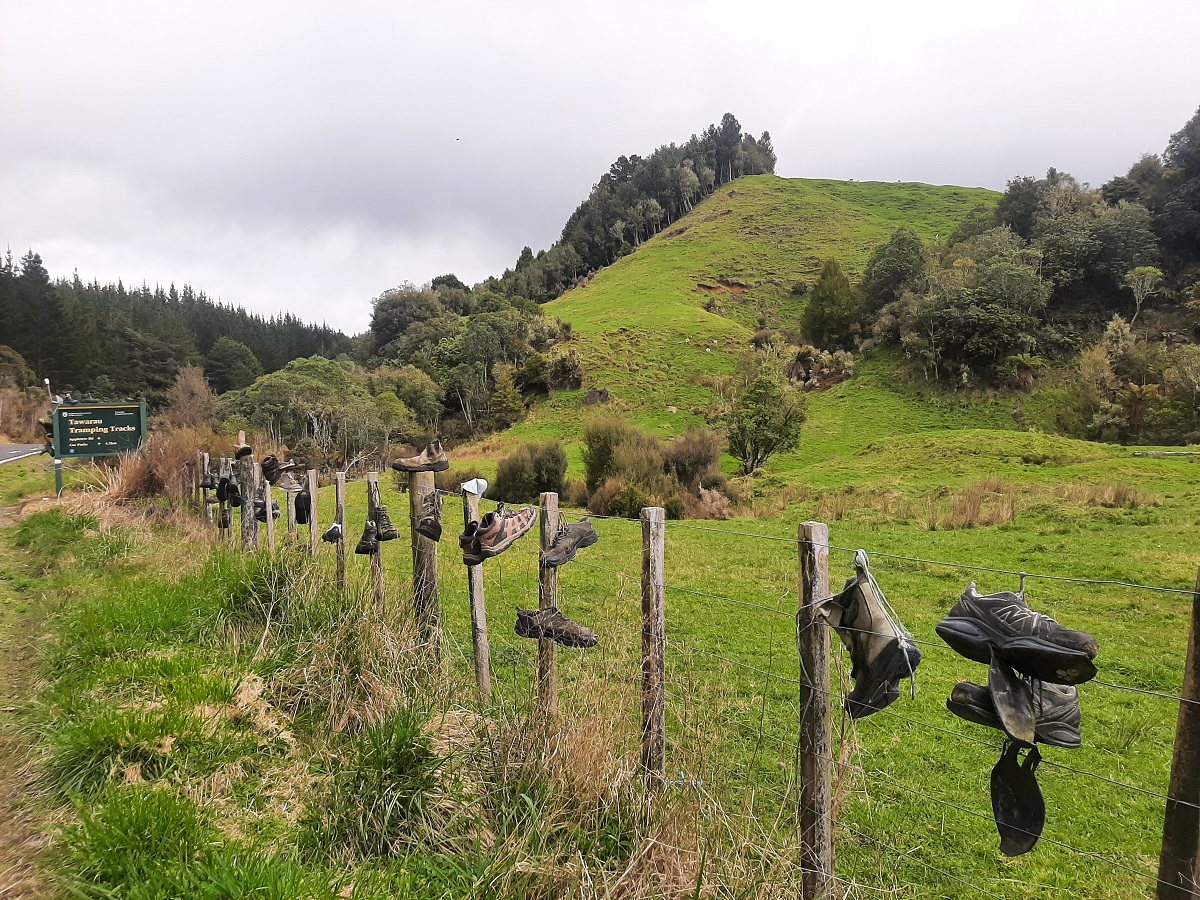
Despite Covid’s best efforts, our intention remains to get back to Aroha and to carry on with some version of our original plan. With Aroha still in India, we’ve been keeping a keen eye on changing rules around entry restrictions into India and also countries down-route; Indonesia, Malaysia and Singapore remain effectively closed, but are showing signs of reopening.
Helen and I discussed breaking the holding pattern a few months ago and set out a kind of checklist of stars that need to align to get us back to our cruising life. In short, we need to:
- get vaccinated
- get into UK
- get into India, and
- get into somewhere in SE Asia.
With virtually no community outbreaks, there hadn’t been a great deal of urgency about the vaccine rollout here. Aotearoa New Zealand also made the decision to only use the Pfzier vaccine, which resulted in initially slow deliveries of the vaccine into the country. We knew we couldn’t move on until we got our jabs and it seemed to be taking a long time until we were eligible. We only got our first shots in July, and our second in September. But at least the first point on our checklist is now ticked off.
Getting into the UK hasn’t really been a problem, in fact it was an option we considered way back when we were planning our escape from India over a year ago. But leaving NZ is a one way ticket – the MIQ (Managed Isolation and Quarantine) system here has become overloaded it would take months to book another slot.
Maybe the biggest challenge will be getting back into India – visitor visas have been frozen for over a year and a half, although just this week news has come that this should soon restart. Likewise, Thailand, Indonesia and Malaysia look to begin reopening in the coming months.
I’m noticing more and more of a psychological challenge due to the uncertainty about any of our onward plans and, indeed, the challenge of being able to have anything concrete enough to be able to feel any level of certainty about. We’ve become quite comfortable here. The thought of leaving the relative security of land-based life and heading back to Asia when many things are far from certain, is quite daunting. But recent weeks in New Zealand with the Delta outbreak that started back in August has proven that there isn’t really anywhere that we can truly relax.
I don’t want to jinx anything by putting dates on paper, so I’ll caveat the below by saying this is all subject to change. We’re aiming to leave Aotearoa New Zealand in around November, spend about three or four months in the UK, and hope to get into and out of India before the monsoon change in April 2022. Hopefully by then, the beautiful cruising countries of SE Asia will be again willing to accept cruising yachts.
Whereas in the past we felt that planning was the best way to fit everything into our busy lives, it is now virtually impossible to plan with certainty. Being in the campervan has helped in that respect, as we seldom have to be anywhere at any particular time. If the weather is bad we chose a spot to hole up for a day or so until the wind or rain has past. If nothing, Covid has taught many of us to be flexible, to be nimble. We’re getting better at working with this new reality, and are looking forward to breaking our current holding pattern soon.
Follow and like us to be notified of future blogs!
www.facebook.com/ripeningnicely


2 Comments
Tanya
Great read Bryan and Helen. Hopefully you will be able to see the kids soon and carry on with sailing adventures.
I retired last month and hope to move back to UK in April or May
Helen
Glad you liked the post. Congratulations on the retirement!!! Think we might miss you in the UK this time around.