Island Life
If Covid hadn’t jiggled up 2020 (and 2021…), we would by now be enjoying yacht island hopping somewhere warm in South East Asia. But, if this is the year of the pivot, then pivoting from tropical islands to New Zealand’s third island isn’t such a bad trade off.
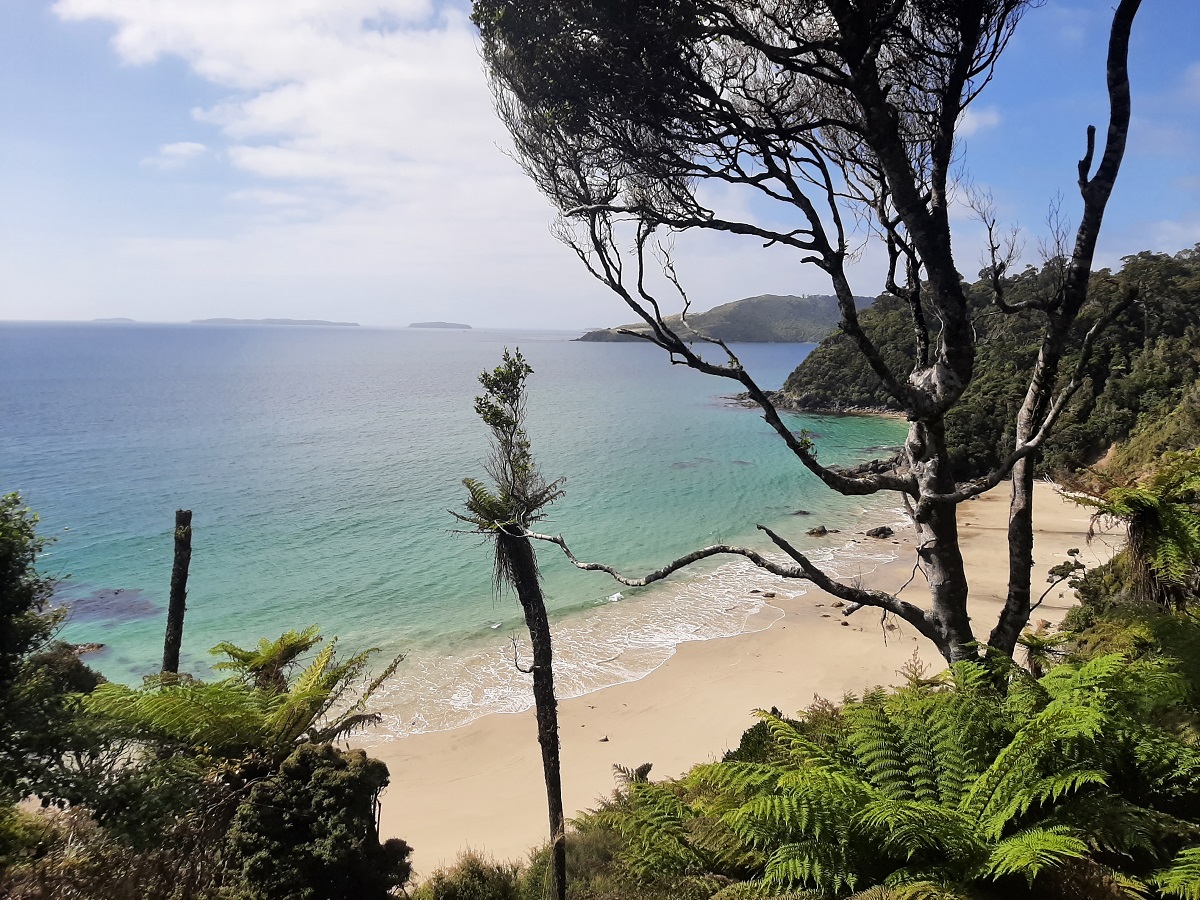
I think growing up on an island, albeit a large one like the North Island of New Zealand, gives you a special relationship with the coast and the sea. In fact, they say that the furthest that you can get from the sea in NZ is only about 120km. I grew up much closer – often biking the 16km after school to the sailing club shed where I kept my Starling sailing dinghy. The fact that as a teenager I’d go sailing by myself and maybe only sometimes leave a “gone sailing” note for mum, shows the comfortable sort of relationship many kiwis have with the sea.
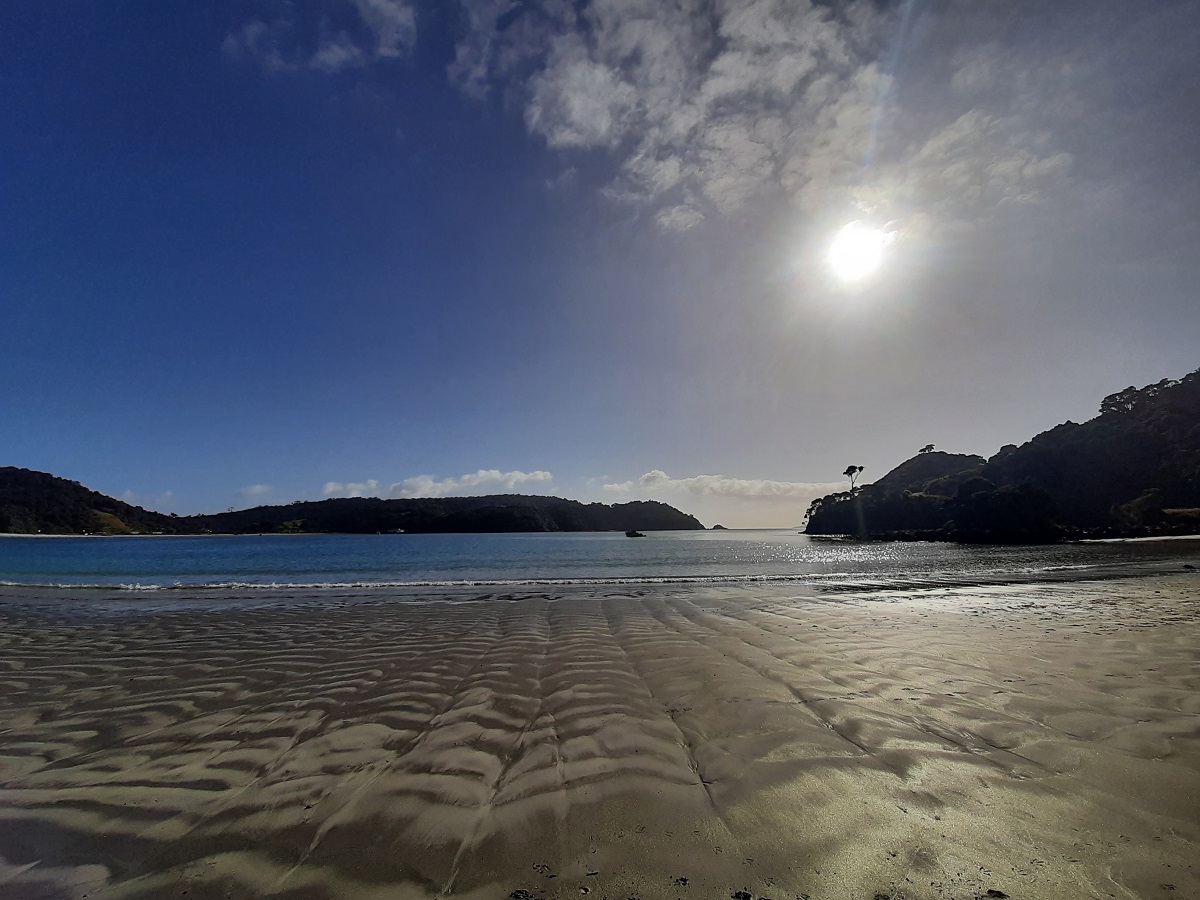
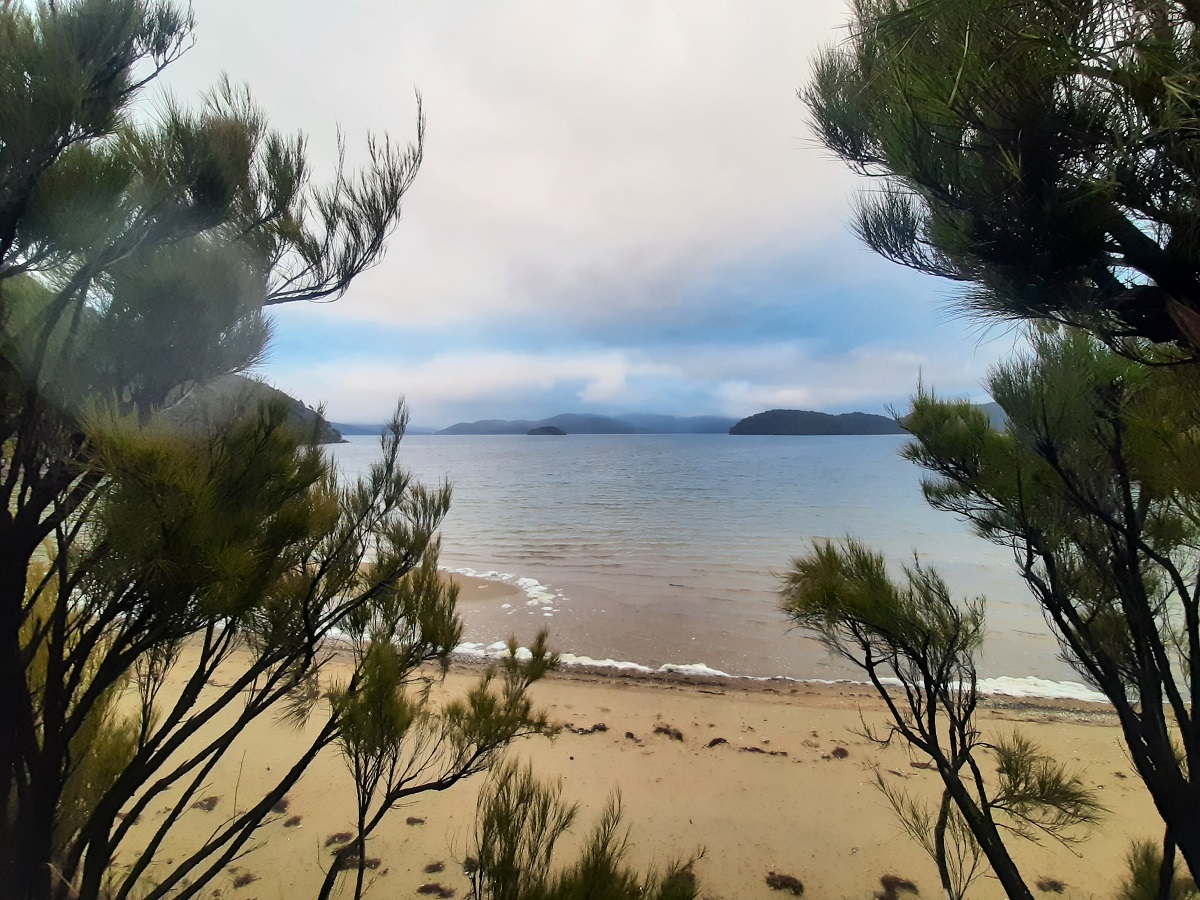
In fact, being so far from the ocean was one of the reasons I left landlocked Prague after calling it home for three years – it was difficult to describe at the time, but a I felt a kind of void living so far away. As it happened, I lived on the small island of Jersey in the British Channel Islands after that – perhaps compensating for lost island time! It was during that island time that I started scuba diving, and re-started sailing after a long break.
Not surprisingly, I often find myself attracted to islands when we travel. But for Stewart Island, it’s not a new attraction – it’s the third island of New Zealand (after the spectacularly unimaginatively named North and South islands!) and many Kiwis have “not quite got around to getting there”. I’d wanted to visit for a long time and with our current leisurely pace of travel, that time finally came.
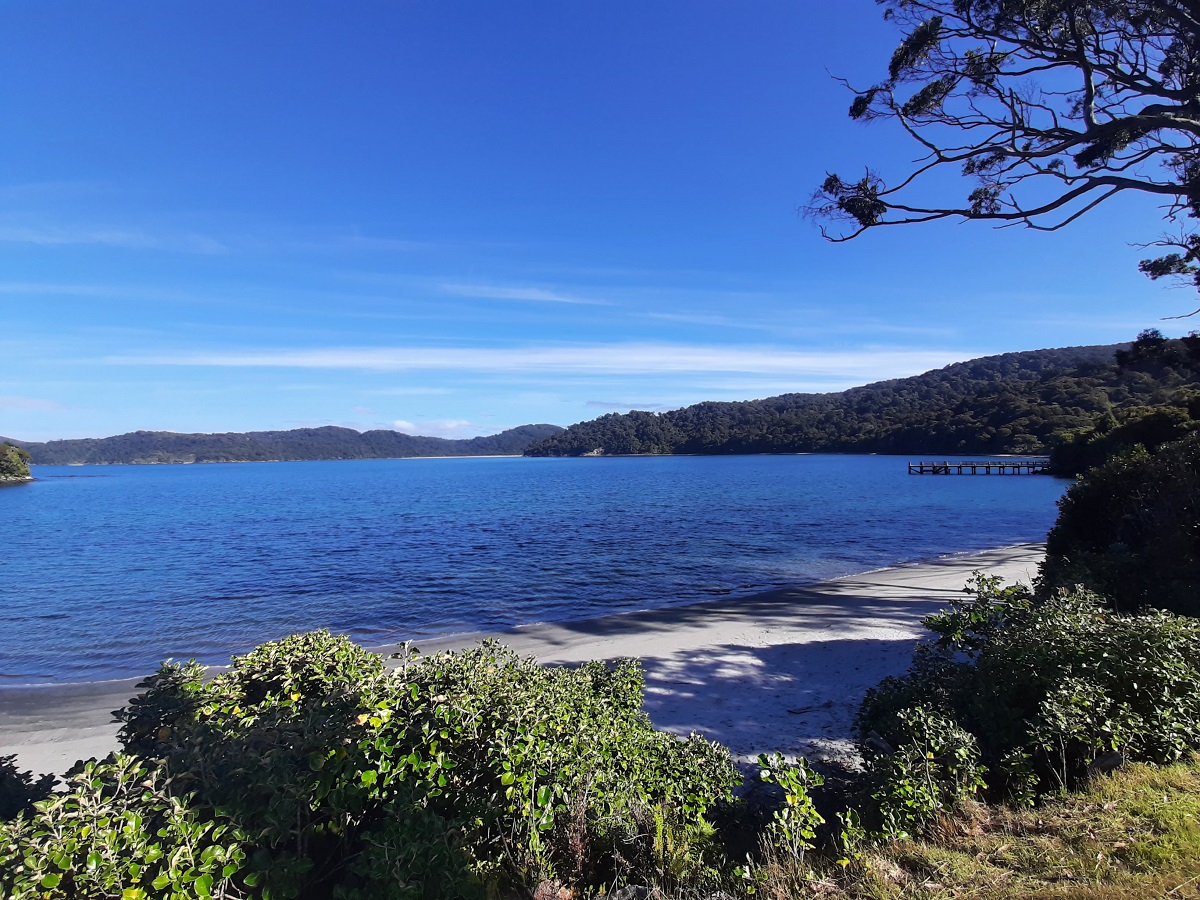
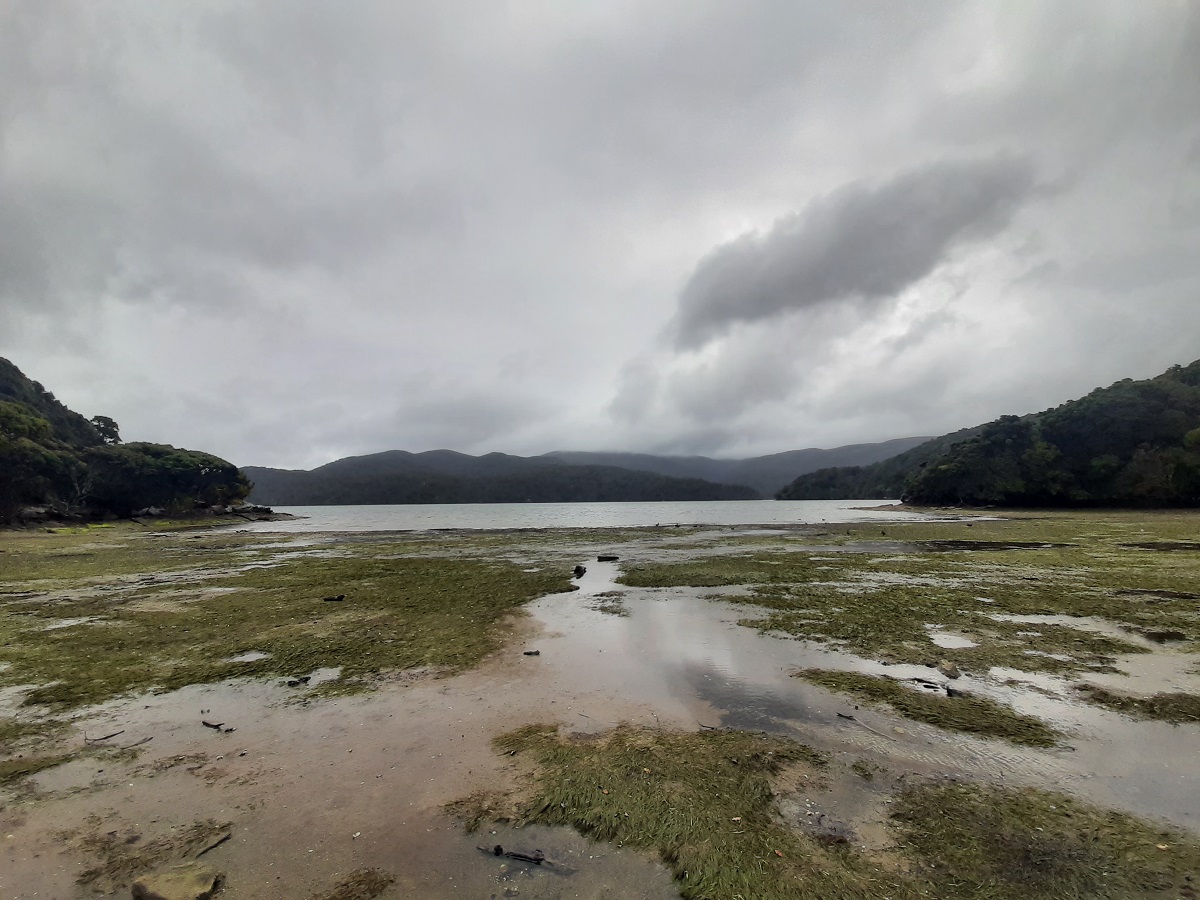
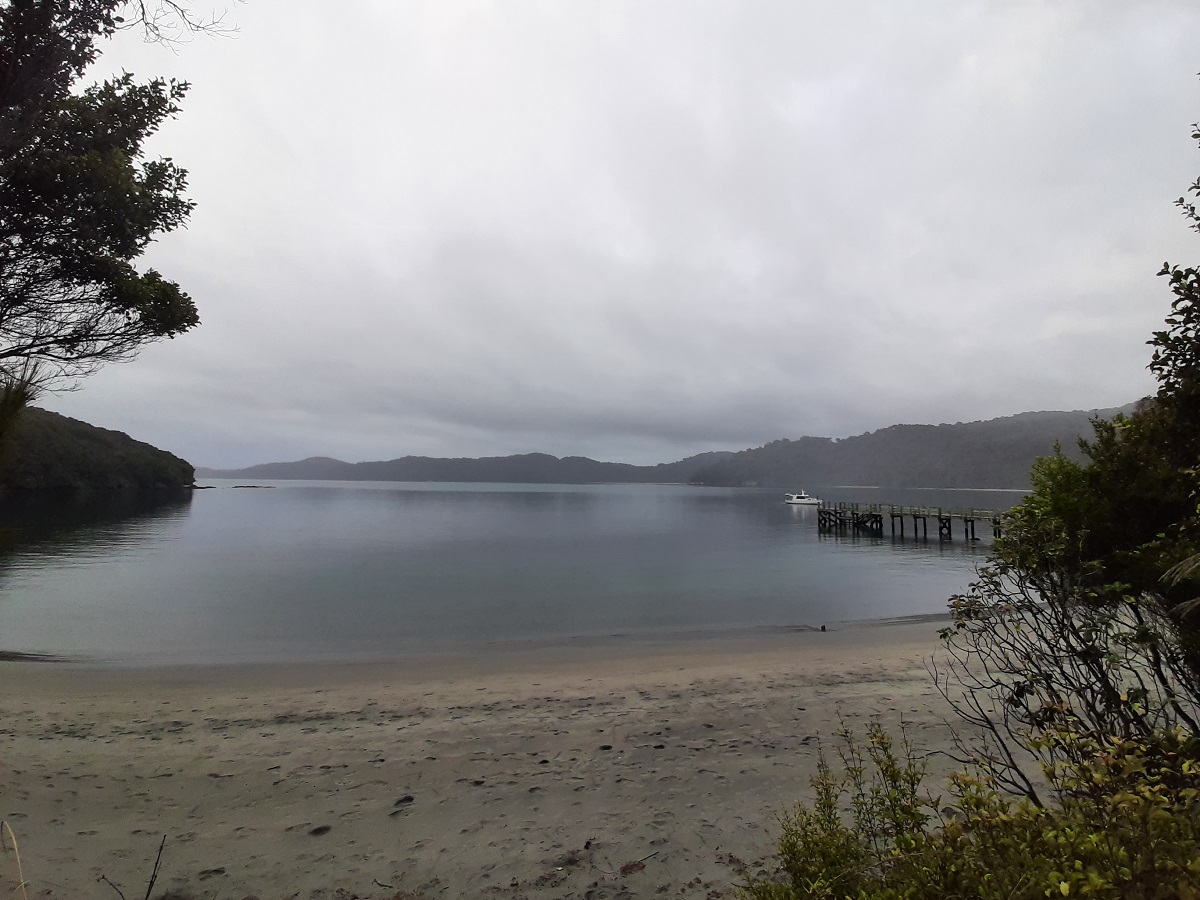
A nice touch since I last lived in New Zealand is the improved recognition of Maori names. In many cases, both the European and Maori names are used together – so I should say, “Aotearoa New Zealand”. In the case of Stewart Island, it’s now know as “Rakiura Stewart Island”. It only seems fair that places are know by their Maori names, as Maori people have called Aotearoa home for twice as long as Europeans.
A quick calculation of the capacity of the three scheduled ferries and flights per day totals about 400 – not far off the total local population! You can imagine that tourists outweigh the locals! This is especially true in these weird Covid times…. island hopping has become the new “overseas” travel!
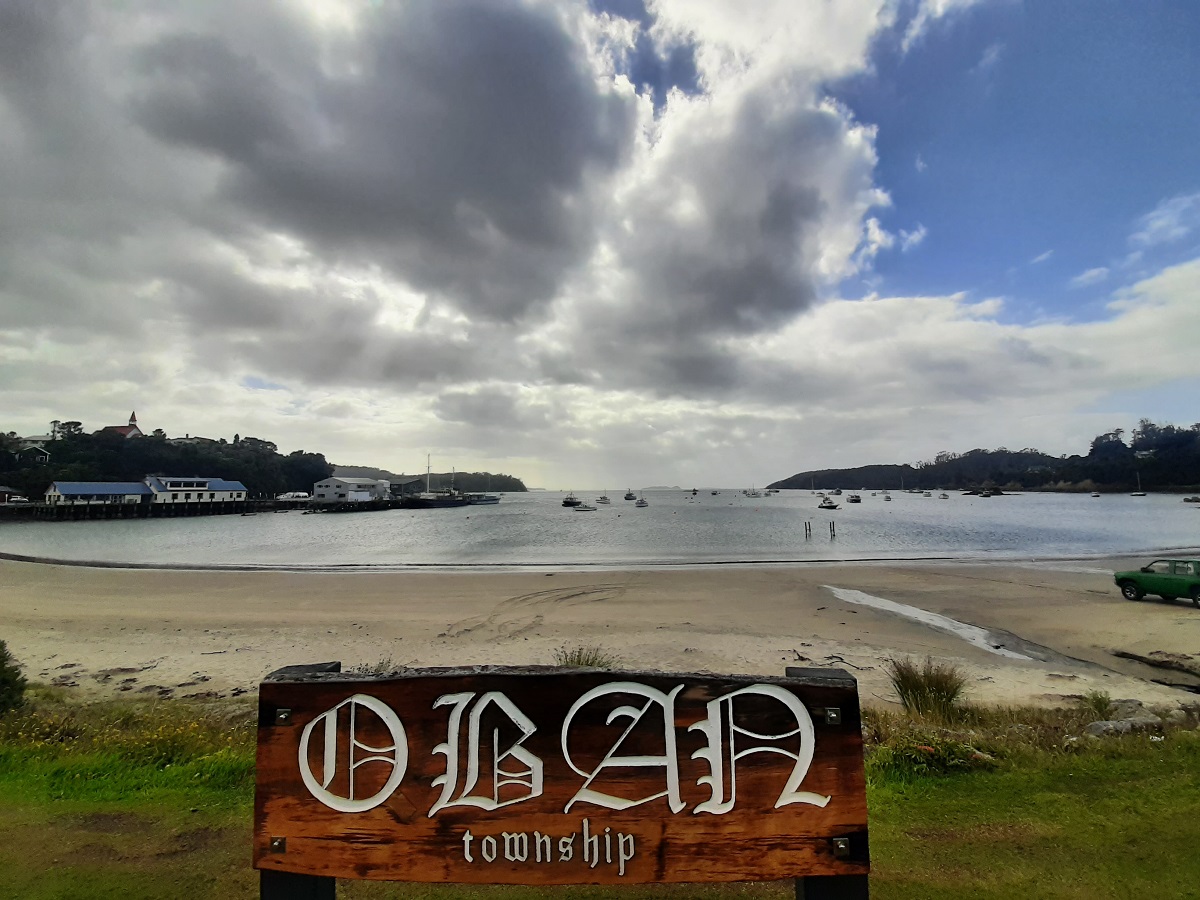
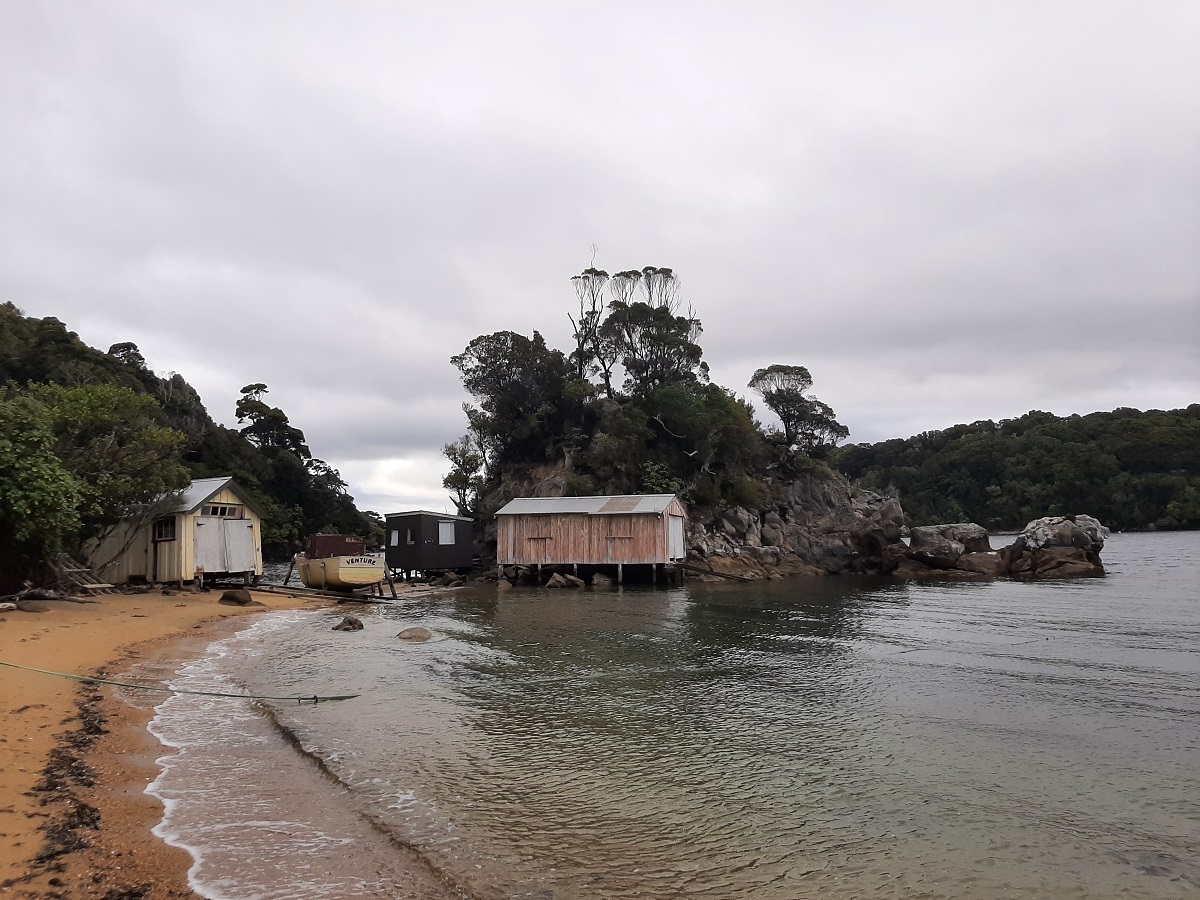
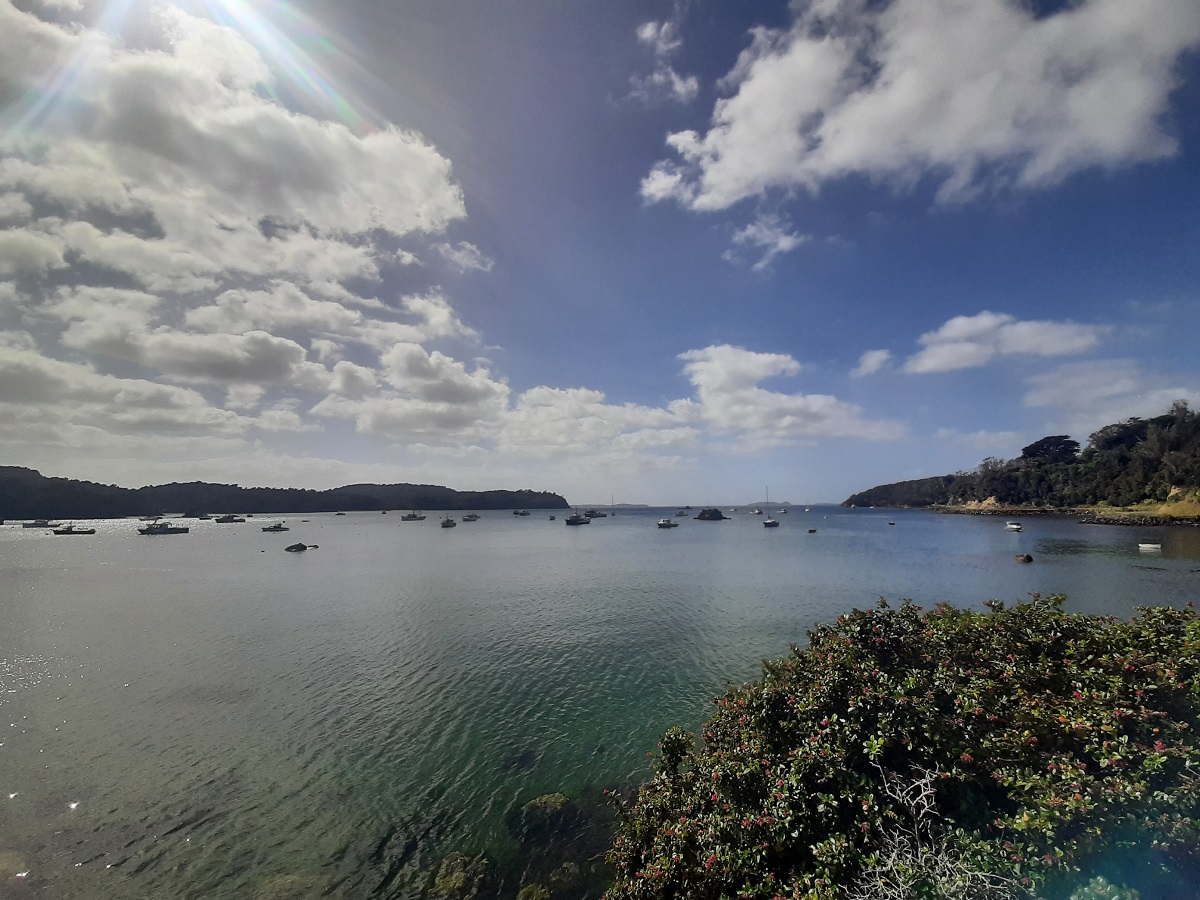
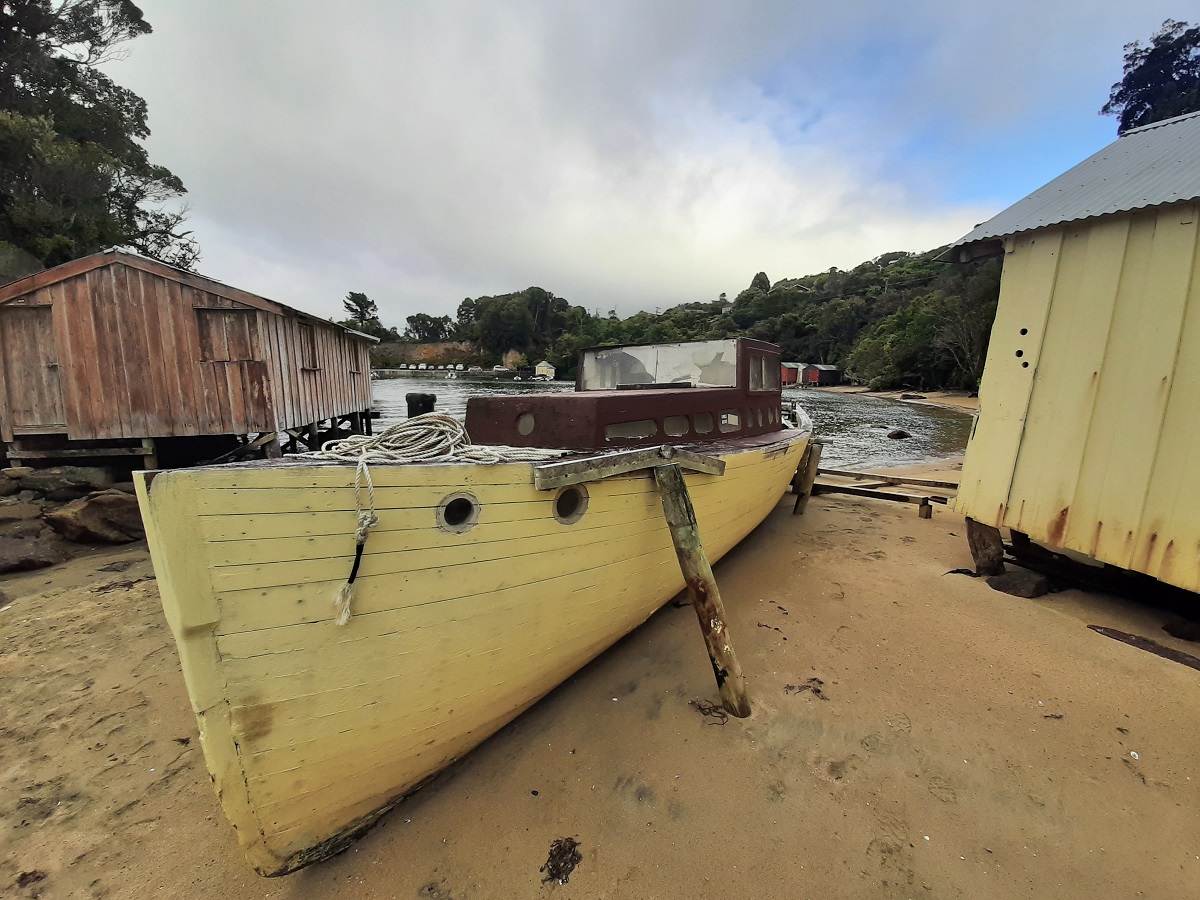
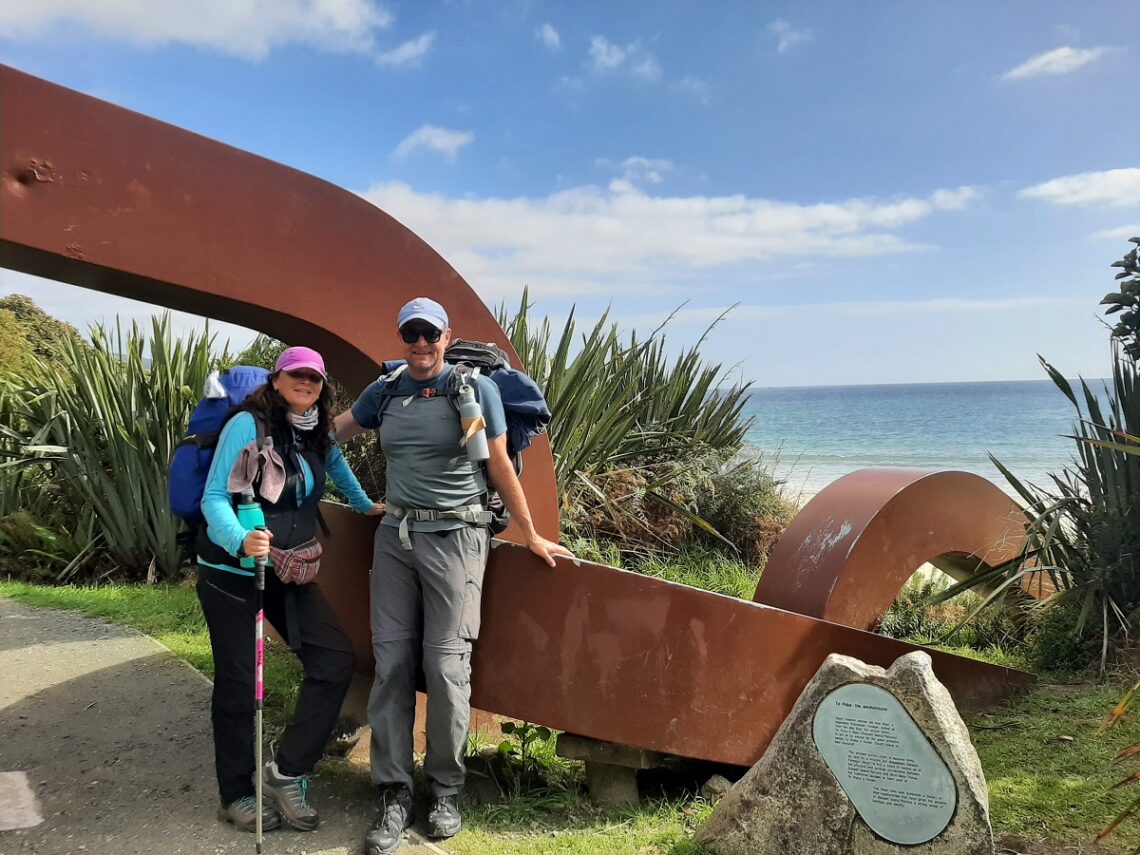
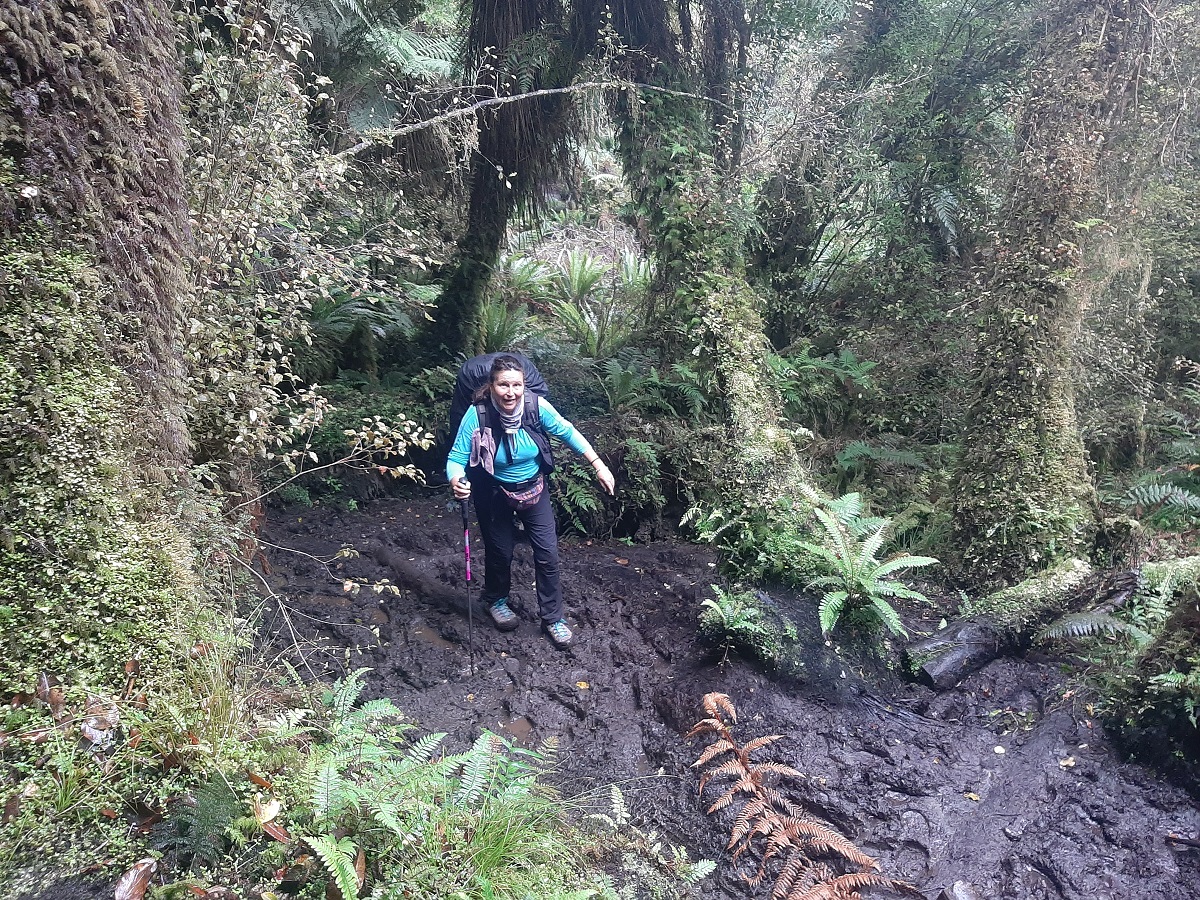
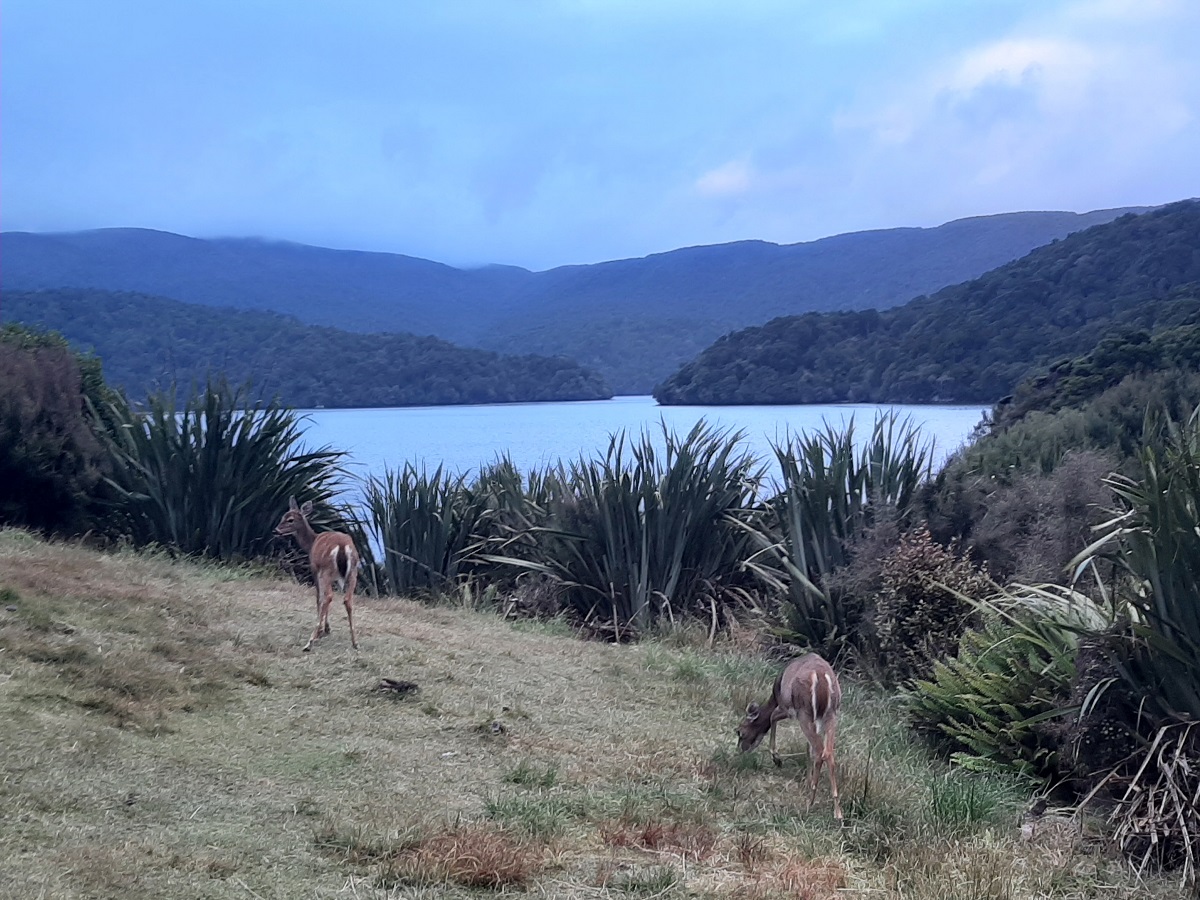
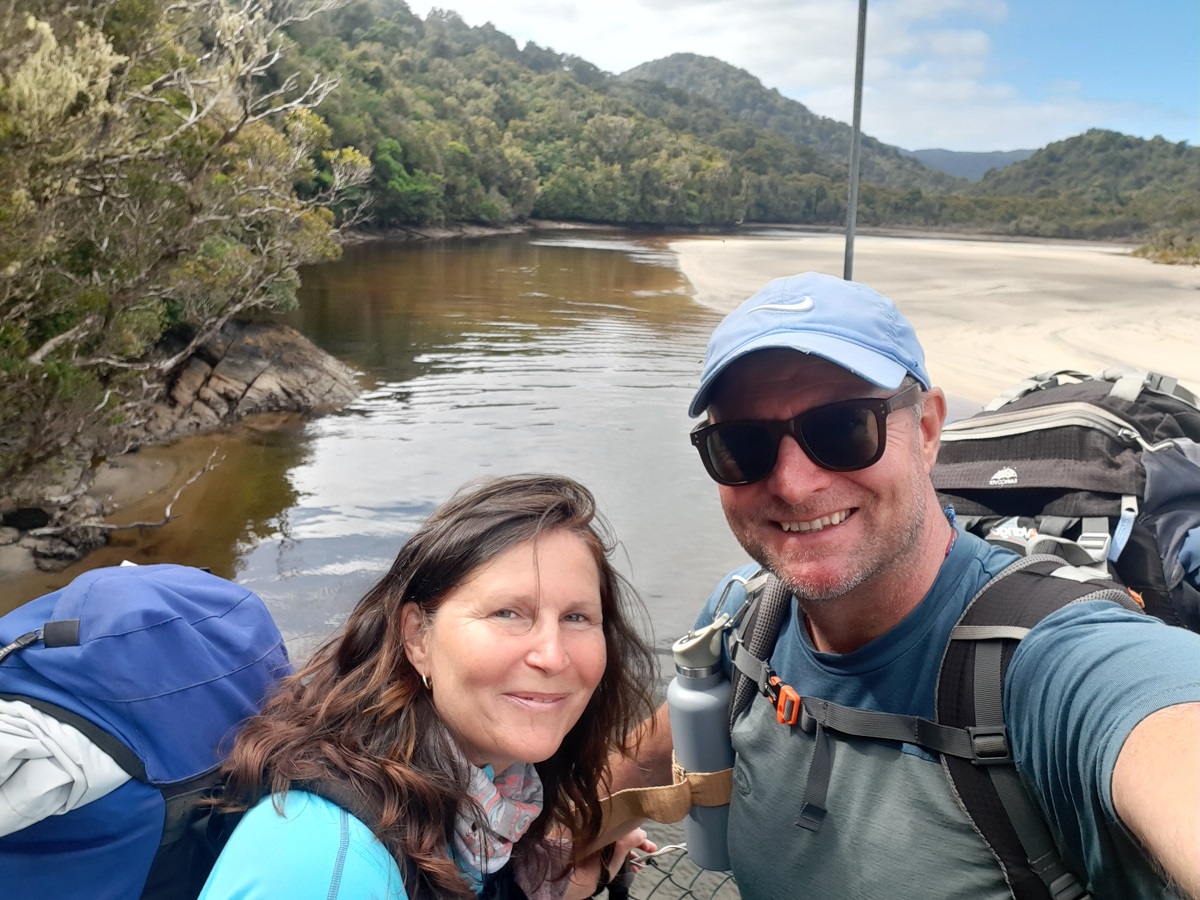
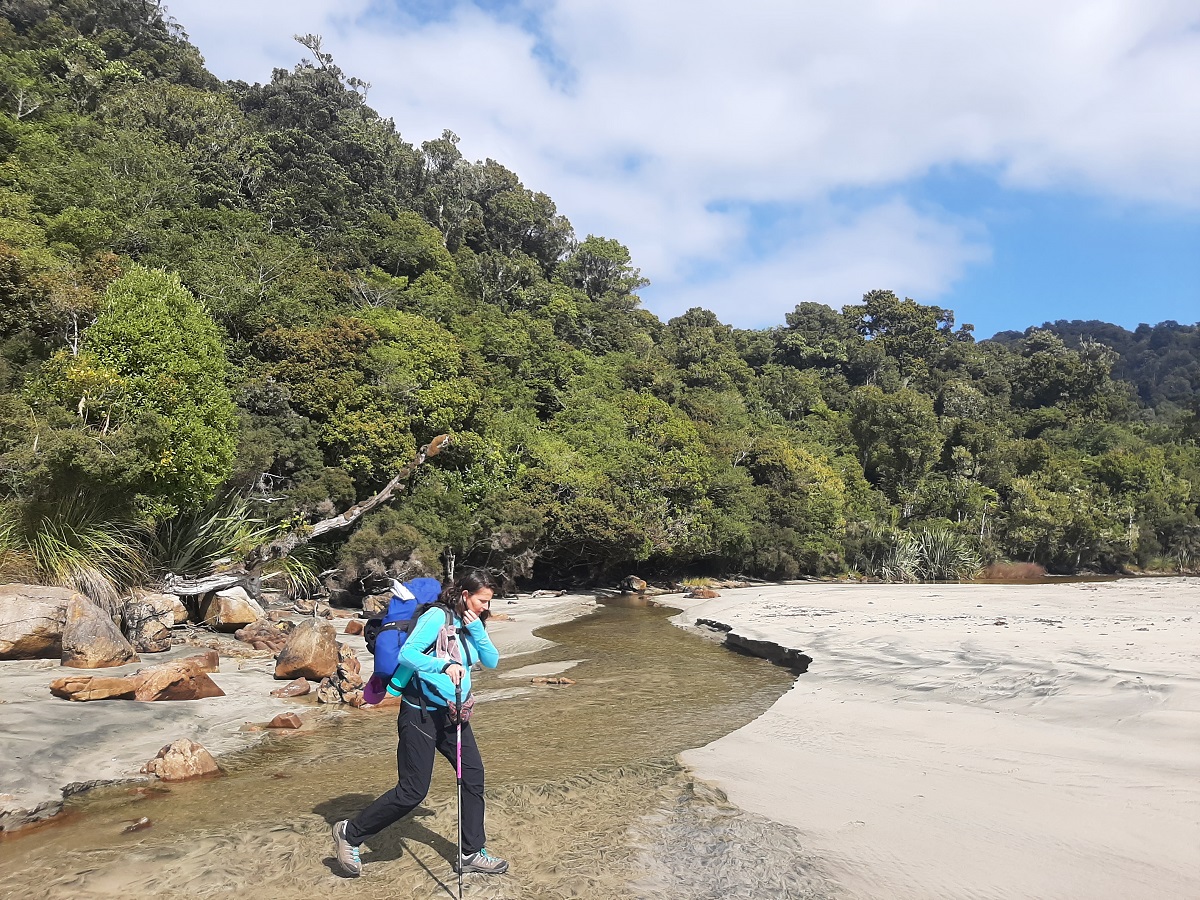
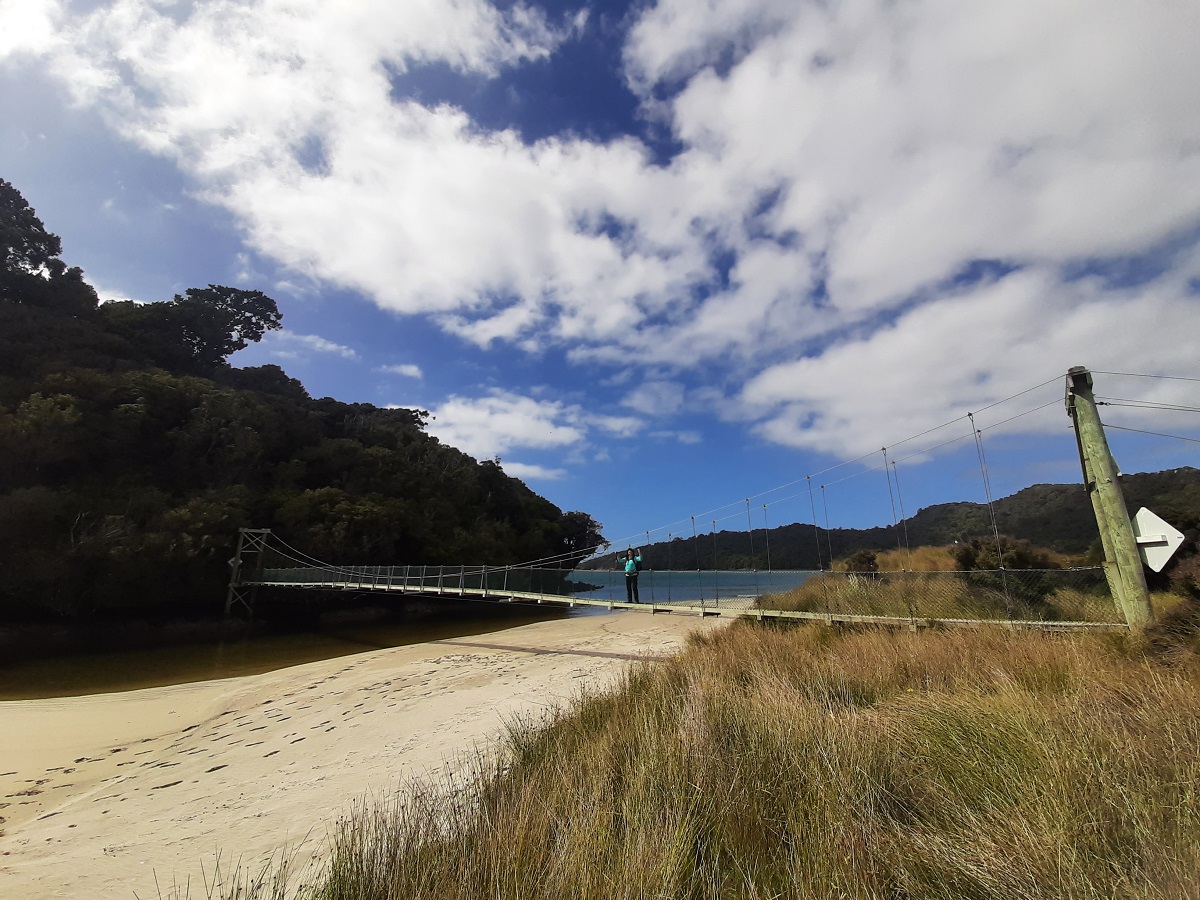
Throughout NZ there’s nine hikes, or “tramps” as Kiwis say, that the Department of Conservation promote heavily for tourists, and the Rakiura Track was our main reason for visiting. It’s a fairly modest 32km over three days and as our first overnight hike, seemed like an achievable goal. The hike itself was spectacular – most of it coastal, with lots of native birds and (non native) deer. But the real highlight was seeing kiwi in the wild – a real treat. Maybe it’s worth taking a sentence or two to clarify here – “Kiwis” can mean the people (New Zealanders), fruit (in Aotearoa we call them kiwifruit) and also the fuzzy little flightless birds. In fact checking that the plural of “kiwi” is “kiwi” (it is!), I also discovered that kiwi can also mean “a member of the air force, who doesn’t fly”! How apt!
Many native and endemic species here evolved with unique features. In the case of kiwi (and many other birds) the lack of ground predators allowed them to evolve into flightless birds with sturdy legs and ‘fluffy’ feathers. I must admit that I’ve pondered in the past about having such a ‘dumb’ animal, that can’t even fly away from predators, as a national symbol. It’s not necessarily inspiring! Nocturnal birds walking around, munching insects off the forest floor worked out fine, until Maori arrived in around 1350AD along with one of their favoured protein sources; rats. (Sounds yum, huh?!) And then much later European settlers brought stoats, weasels and ferrets in an attempt to combat an exploding rabbit population that was causing havoc with the burgeoning sheep farming industry. Needless to say, the kiwi population didn’t fare too well with this barrage of predators and despite massive attempts to preserve populations in the wild, it’s pretty special to see them.
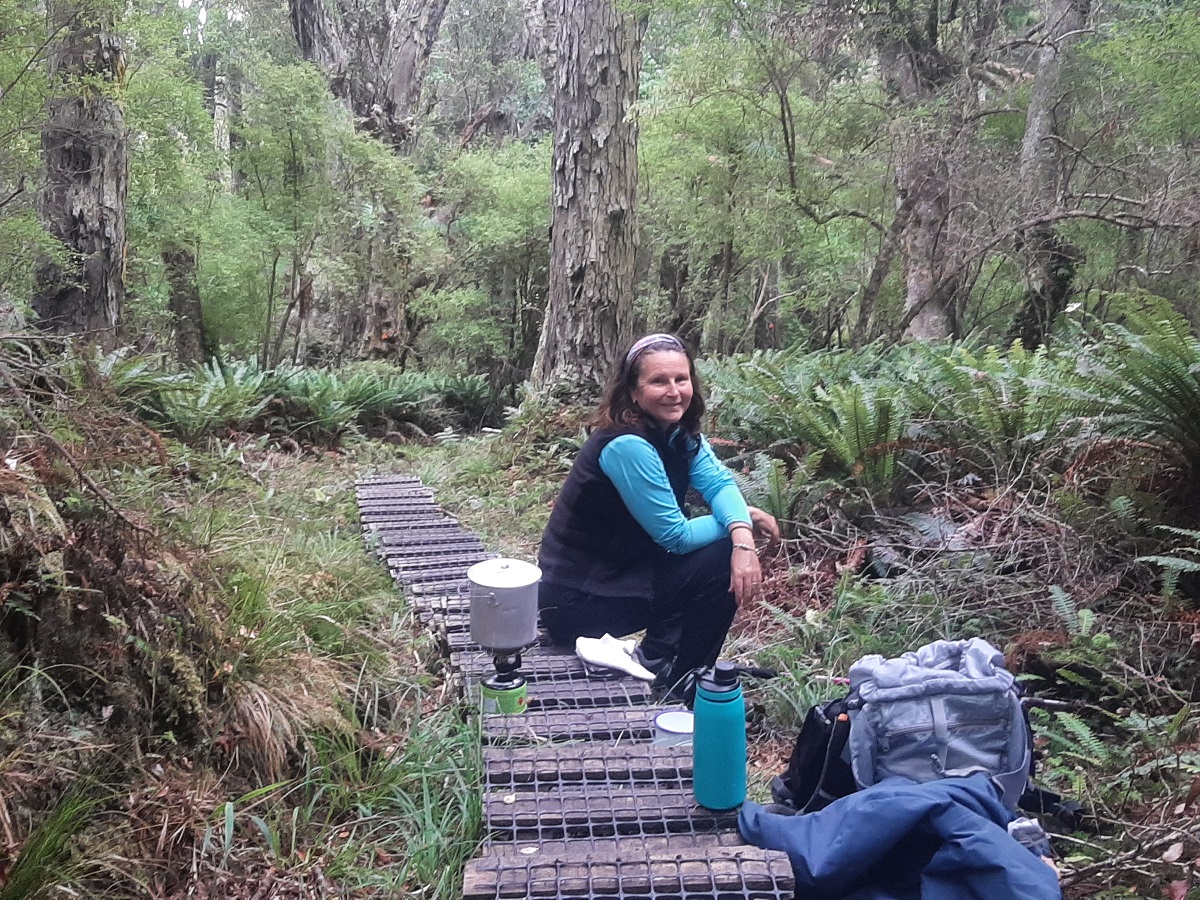
I reckon I spent a cumulative six or seven hours over a couple of nights kiwi searching and it wasn’t until the final morning, close to our hiking hut, that I heard the tell tale rustling of the leaf cover, accompanied by a surprisingly heavy foot fall. We’d been told many times to use only a red torch, to disturb their sensitive eyes less. The foot fall was so noisy though, I thought at first it was a small deer – pests, but numerous in this area. By now after so many hours searching, my little head torch battery was fading, so I flipped on the bright white light. And low and behold, in the place of a small deer was… the first kiwi I’ve ever seen in the wild! Thankfully he wasn’t too bothered to find himself in my spot light and flipping back to dim red, I followed him for a short distance. I was surprised by his size – roughly “fluffy basketball” in size, with stocky legs, and the signature long beak. And how much noise he was making, although I’m sure my hearing was a bit more attuned after tiptoeing around the dark forest for the past hours. I snapped a quick photo on my phone – I’ll admit that it’s not the best picture of a kiwi you’ll ever see, and I’ll attach it to this blog alongside a “digitally enhanced” version. Yeah nah yeah, I don’t think I’ll get a photography award for this one! As you can imagine, I was absolutely buzzing, and I thought about running to wake Helen, but discounted that, realising how fast Mr Kiwi was moving in his focused, head down search for grubs. And guess what… I heard a familiar leaf rustle just off to my left, following the same route as “my kiwi”. Feeling certain it was kiwi number two, I moved a little in that direction, switched off my (by now dying!) head torch and sank to sit on my heals. In the pitch black night of a slither of moon obscured by clouds, I could clearly hear number two coming closer and closer! Coaxing the last red glow out of my head torch, shining it sideways so as to not blind him, I watched him in awe as he passed from left to right, just a meter in front of me. Number two was quite a bit smaller – a small soccer / football size, and I couldn’t help thinking that this was Ms or Master Kiwi following in mum’s footsteps. More fact checking since tells me that Stewart Island Tokoeka kiwi are unique in that they stay in their family groups much longer than the other species, so I think my guess was right.
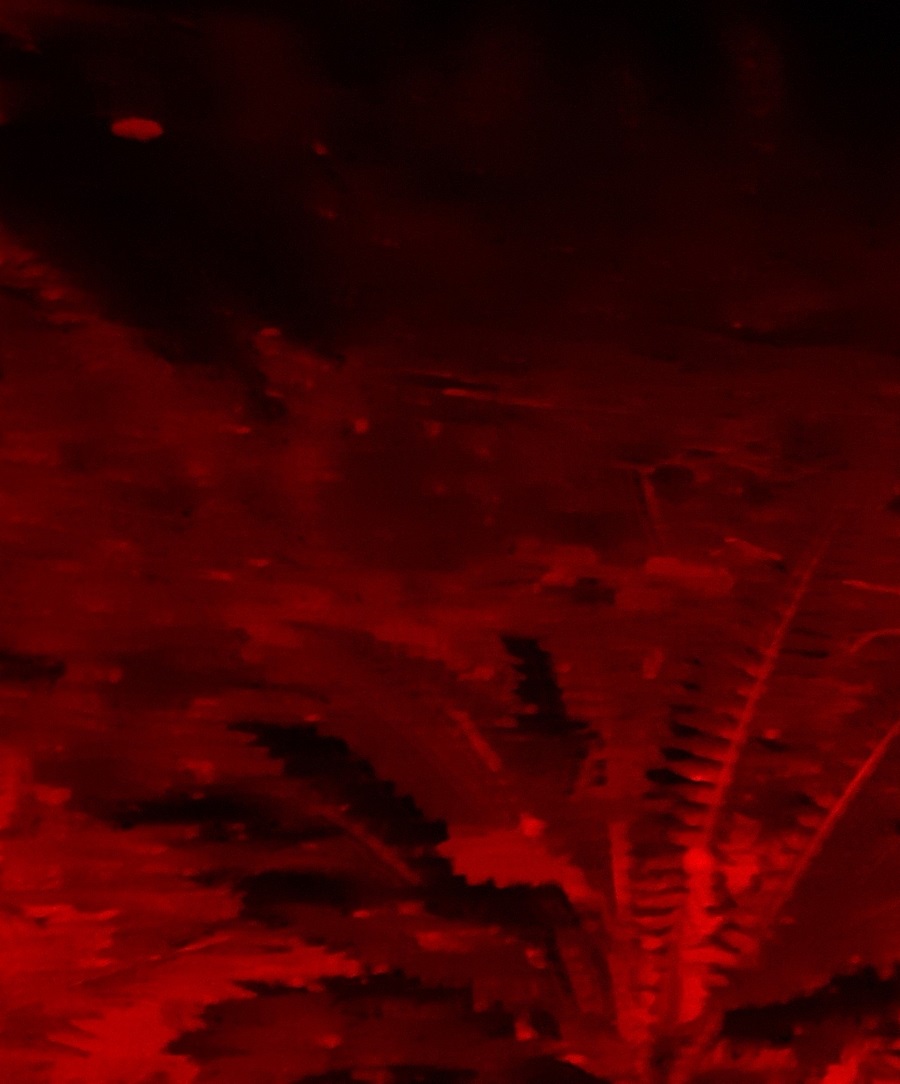
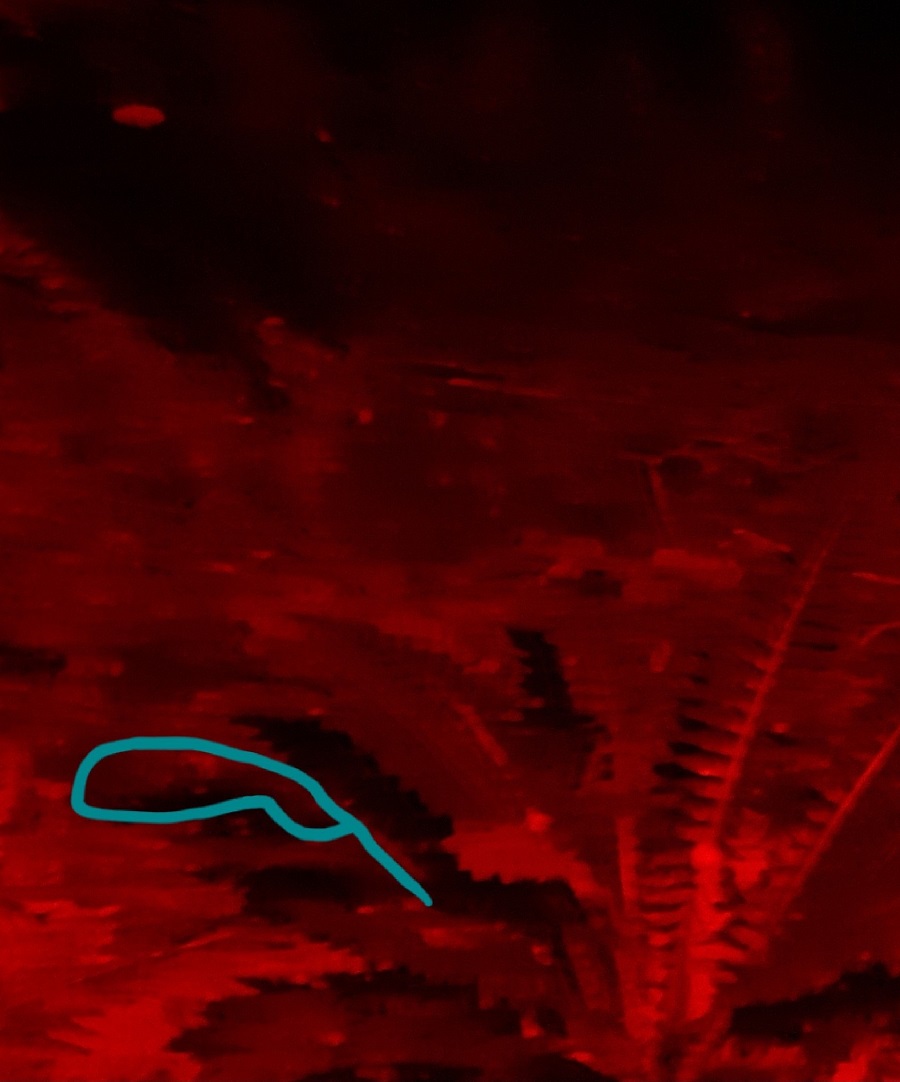
“Digitally enhanced” 🙂
The other unique thing about Stewart Island Tokoeka kiwis is that they’re the only species that you’ll see during daylight hours. Kiwi kiwi geniuses think this is because the southern summer nights are so short, they need the extra daylight hours to feed.
Remember all those predators a few paragraphs up? There’s an increasing number of areas – usually islands – which have been cleared of predators and maintained as nature sanctuaries. Ulva island, just a ten minute boat trip from Oban township, is one of these and a must to visit. So, it was off to Ulva island in the daylight, and …. well, you know where this is going, right? Yep, we spotted a kiwi alongside one of the trails. Unperturbed by the daylight and our presence, we spent ten or fifteen minutes with him until he pecked his way over a small ridge and out of sight.
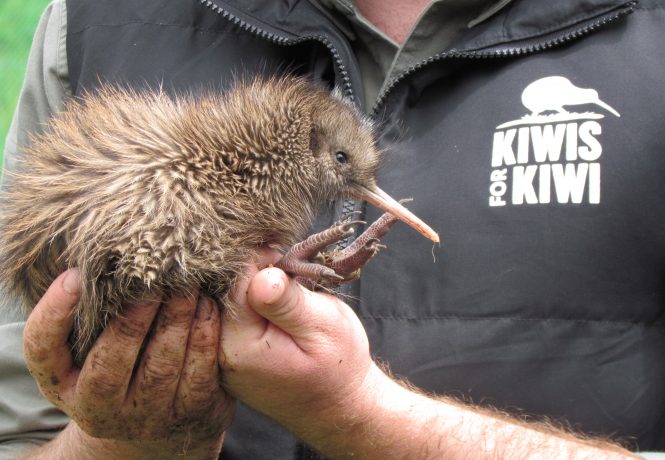
Photo compliments of Kiwis for Kiwi
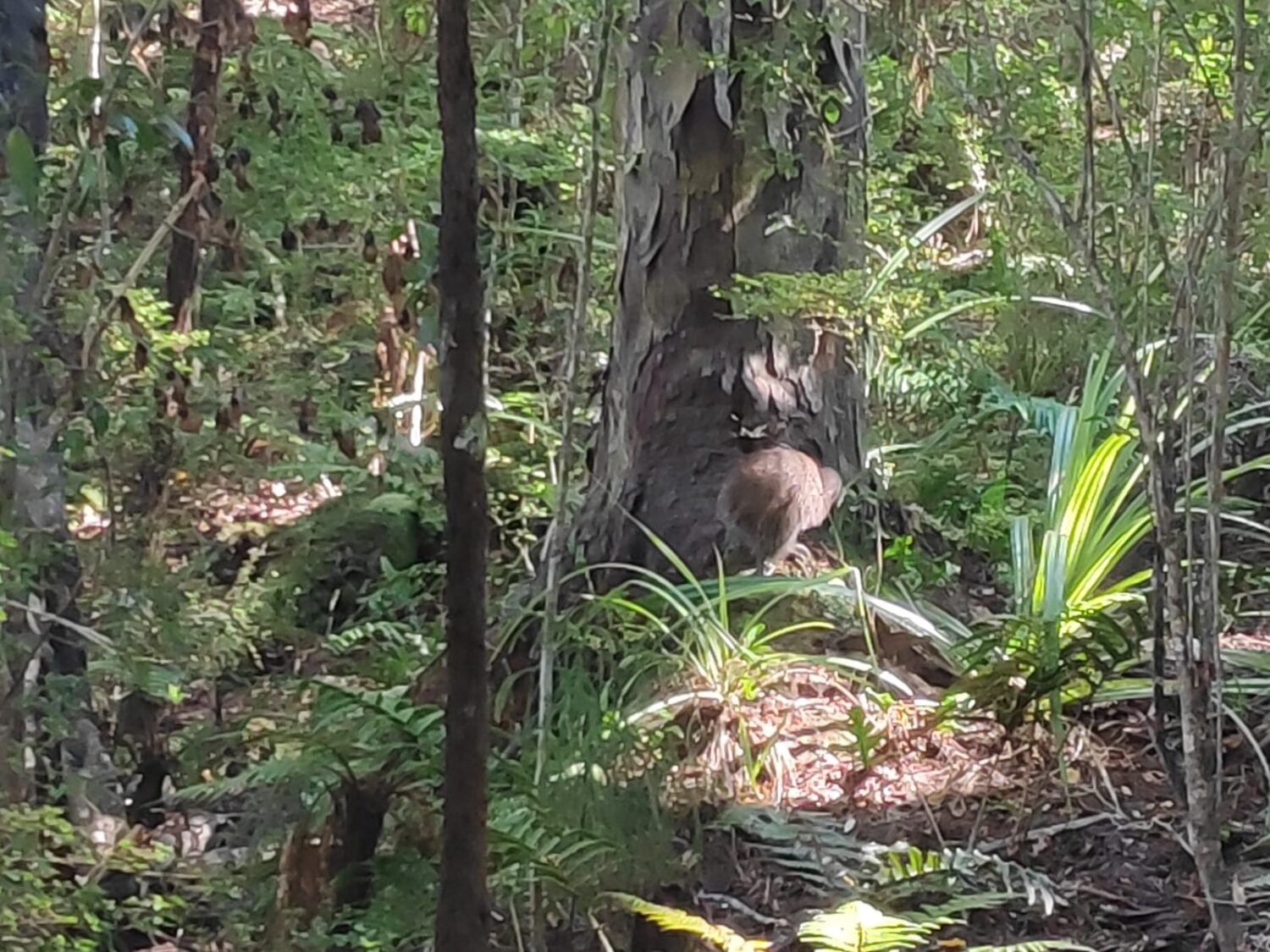
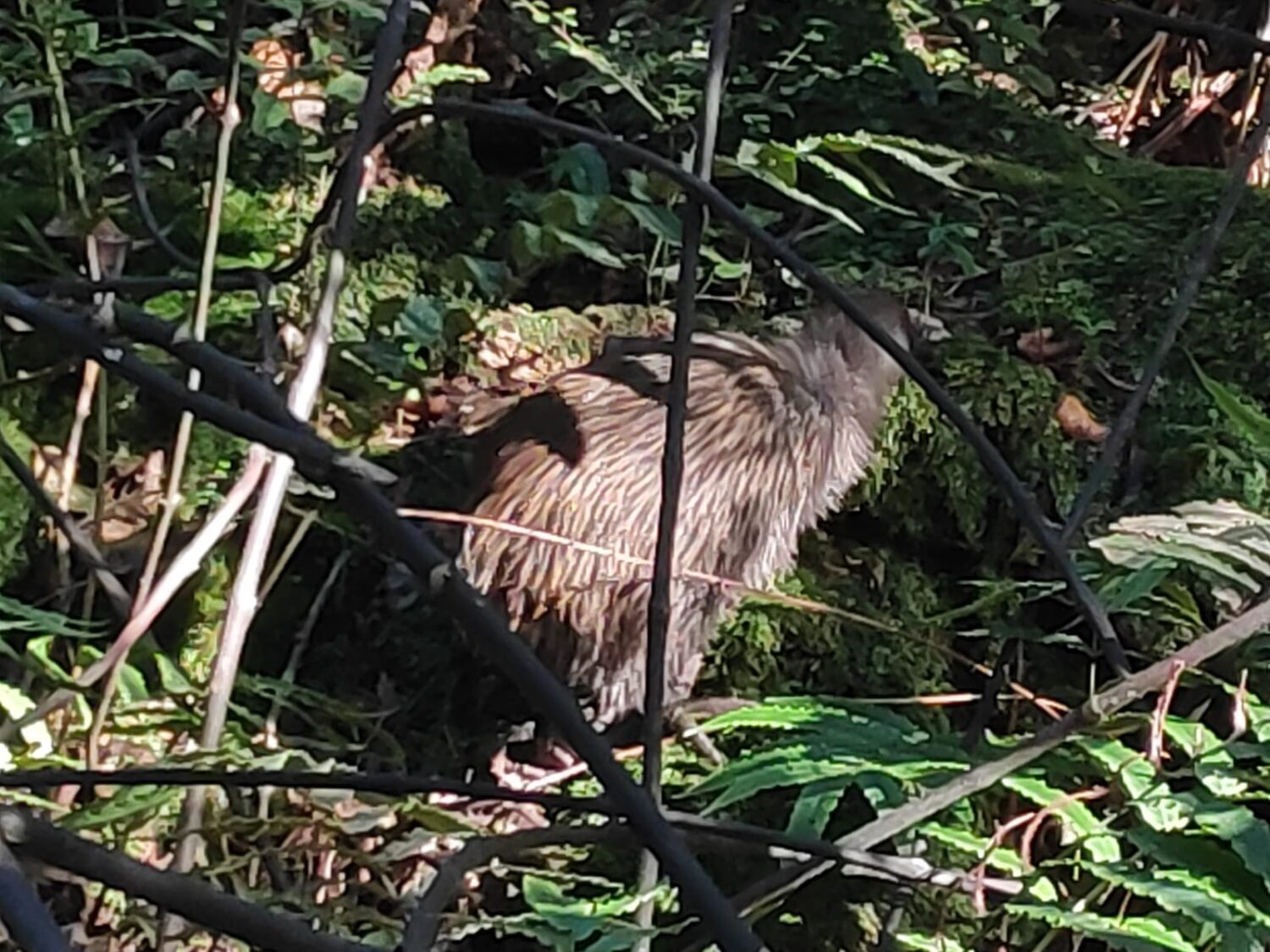
There’s about an hour and a half of walking trails on Ulva island. In a past life, we probably would have covered it all in an hour. But we’re getting better at moving slower, and we were rewarded not only by Mr Daylight kiwi above, but by numerous other native birds; kaka (bush parrots), rare Saddlebacks, curious South Island Robins, Kereru (wood pigeons)… and the incredible bird song chorus that comes from an island freed of predators.
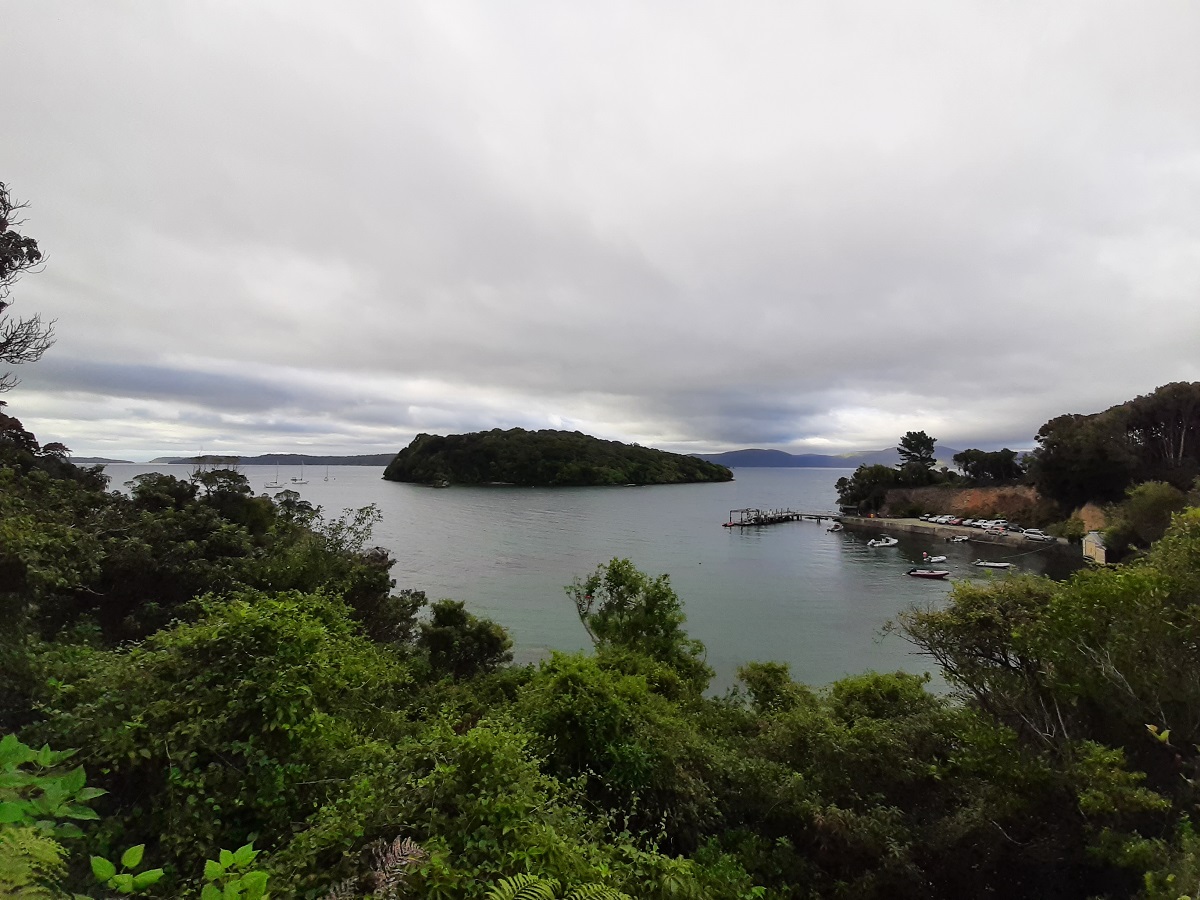
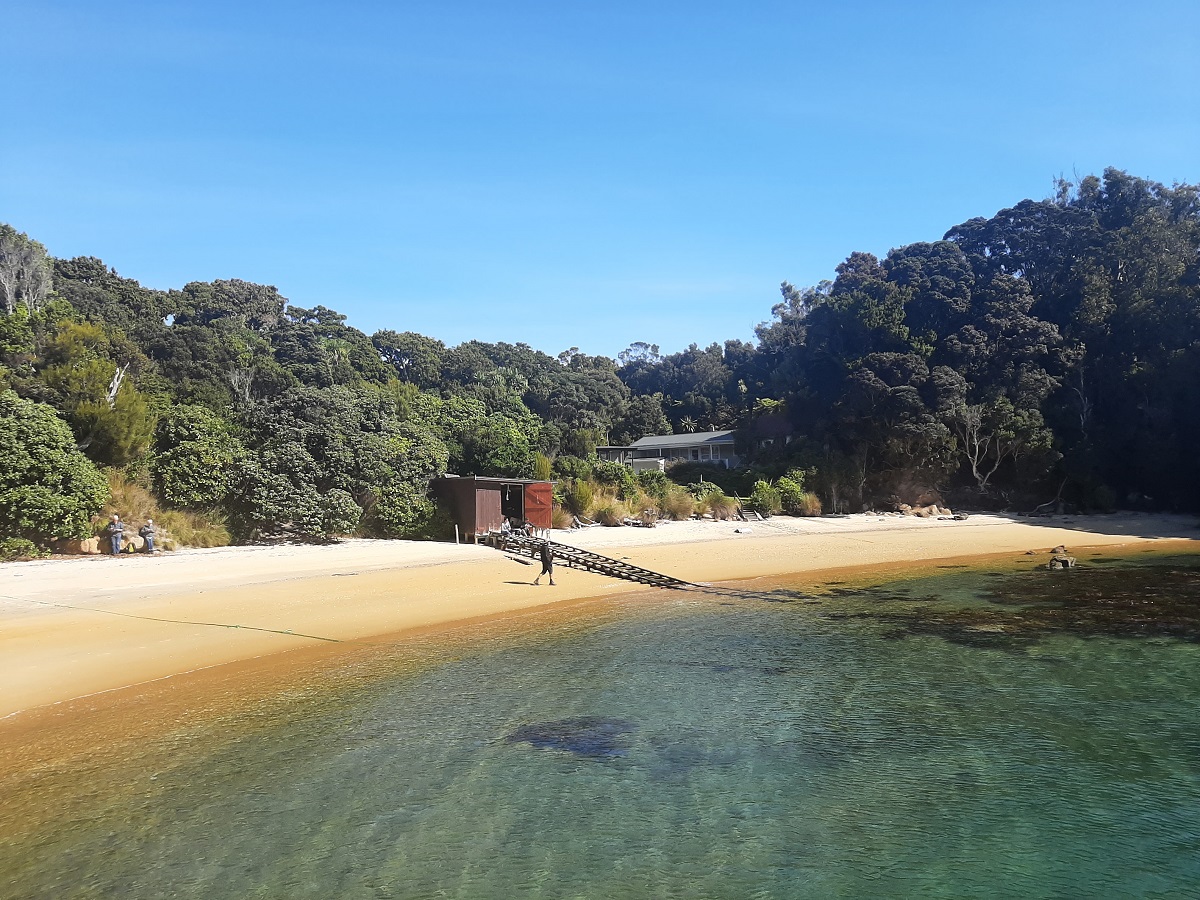
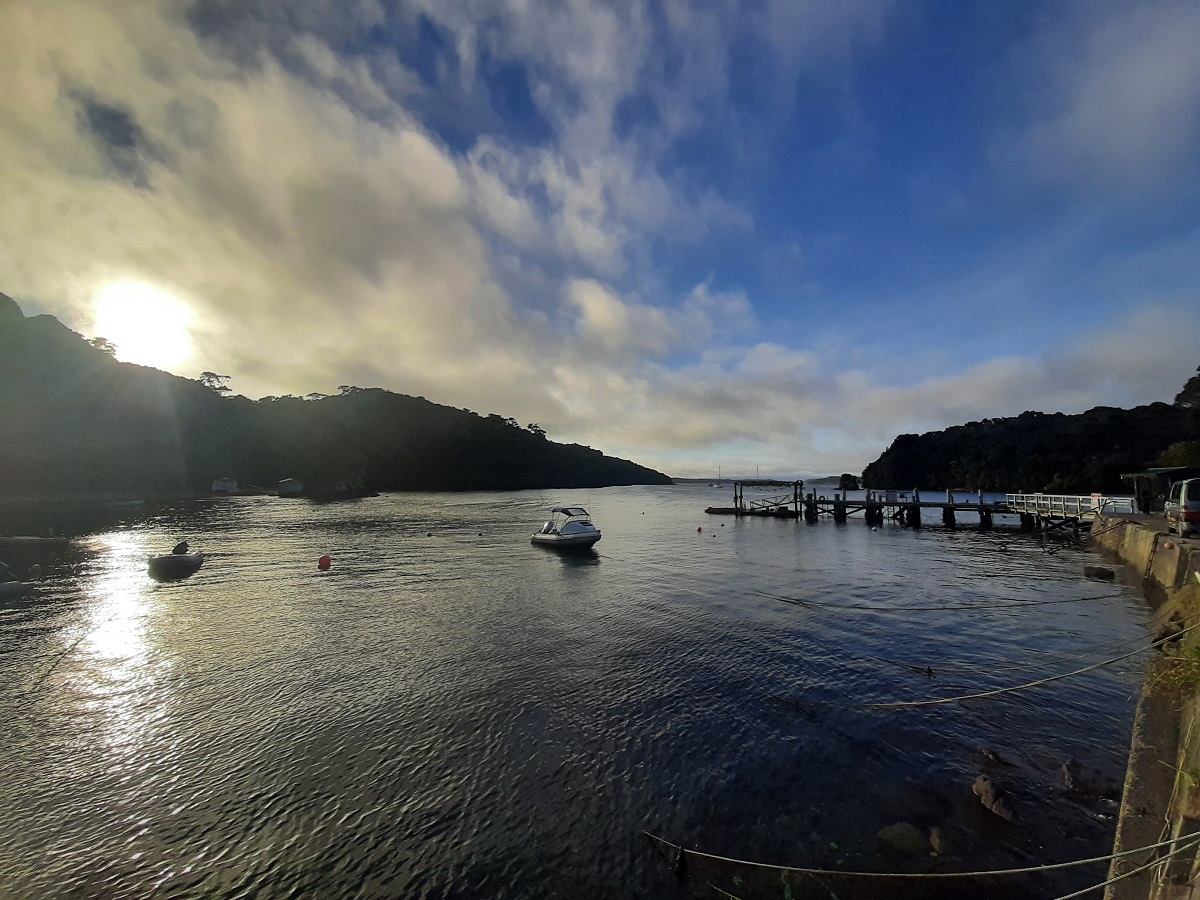
Rakiura Stewart Island really exceeded our Island Life expectations!
Like and follow us to be notified of future blogs: http://www.facebook.com/ripeningnicely


